
Tea tree oil, derived from the leaves of the Melaleuca alternifolia tree native to Australia, has gained significant attention in the realm of skincare, particularly for its effectiveness in treating acne. This essential oil is renowned for its potent antibacterial, antifungal, and anti-inflammatory properties. When you apply tea tree oil to your skin, it penetrates the pores and works to eliminate the bacteria that contribute to acne formation.
The oil’s natural compounds, such as terpinen-4-ol, are believed to be responsible for its antimicrobial effects, making it a popular choice for those seeking a natural remedy for their skin issues. The way tea tree oil functions in combating acne is multifaceted. Not only does it target the bacteria that cause breakouts, but it also helps to reduce inflammation and redness associated with acne lesions.
By soothing the skin and promoting healing, tea tree oil can assist in preventing future breakouts while also addressing existing ones. As you explore the benefits of this essential oil, you may find that its ability to balance oil production in the skin can further enhance its effectiveness in treating acne-prone skin.
Key Takeaways
- Tea tree oil is an essential oil derived from the leaves of the Melaleuca alternifolia plant and is known for its antibacterial and anti-inflammatory properties, making it effective for treating acne.
- Using tea tree oil for acne can help reduce inflammation, kill acne-causing bacteria, and unclog pores, leading to clearer skin.
- Tea tree oil can be used as a spot treatment by applying it directly to pimples or diluted with a carrier oil for a gentle all-over treatment.
- Potential side effects of using tea tree oil for acne include skin irritation, allergic reactions, and dryness, so it’s important to do a patch test before using it on the face.
- When choosing a tea tree oil product for acne treatment, look for 100% pure tea tree oil or products with a concentration of 5-15% tea tree oil for best results.
The Benefits of Using Tea Tree Oil for Acne Treatment
One of the primary benefits of using tea tree oil for acne treatment is its natural composition. Unlike many commercial acne treatments that contain harsh chemicals, tea tree oil offers a gentler alternative that can be less irritating to the skin. This makes it particularly appealing for individuals with sensitive skin or those who prefer to avoid synthetic ingredients.
By incorporating tea tree oil into your skincare routine, you may find that you can achieve clearer skin without the adverse effects often associated with traditional acne medications. In addition to its gentleness, tea tree oil is also highly effective at reducing the severity and frequency of breakouts. Studies have shown that tea tree oil can significantly decrease the number of acne lesions and improve overall skin appearance.
When you use tea tree oil consistently, you may notice a reduction in both inflammatory and non-inflammatory acne types, such as pustules and blackheads. Furthermore, its ability to promote healing can lead to a decrease in post-acne scarring, allowing your skin to recover more quickly and effectively.
How to Use Tea Tree Oil for Acne

To harness the benefits of tea tree oil for acne treatment, it’s essential to know how to use it properly. One common method is to dilute the oil with a carrier oil, such as jojoba or coconut oil, before applying it directly to your skin. This dilution helps prevent irritation while still delivering the therapeutic properties of tea tree oil.
You can create a simple mixture by combining one part tea tree oil with nine parts carrier oil. Once mixed, apply a small amount to a cotton swab or your fingertip and gently dab it onto the affected areas. Another effective way to use tea tree oil is by incorporating it into your existing skincare routine.
You can add a few drops of tea tree oil to your cleanser or moisturizer, allowing it to work synergistically with other products. However, it’s crucial to start slowly and monitor your skin’s reaction. If you experience any irritation or discomfort, consider reducing the frequency of application or further diluting the oil.
Consistency is key; using tea tree oil regularly can lead to more noticeable improvements over time. For more information on the benefits of tea tree oil for acne treatment, you can visit this Healthline article.
Potential Side Effects and Risks of Using Tea Tree Oil for Acne
While tea tree oil is generally considered safe for topical use, it’s important to be aware of potential side effects and risks associated with its application. Some individuals may experience skin irritation, redness, or dryness when using tea tree oil, especially if they have sensitive skin or if the oil is not adequately diluted. To minimize these risks, always perform a patch test before applying tea tree oil more broadly on your face or body.
Simply apply a small amount of diluted oil to a discreet area of skin and wait 24 hours to see if any adverse reactions occur. Additionally, it’s worth noting that tea tree oil should never be ingested or applied directly to broken skin or open wounds. Ingesting tea tree oil can lead to serious health complications, including nausea and confusion.
If you have any pre-existing skin conditions or are pregnant or breastfeeding, consult with a healthcare professional before incorporating tea tree oil into your skincare regimen. Being informed about these potential side effects will help you use tea tree oil safely and effectively.
Choosing the Right Tea Tree Oil Product for Acne Treatment
When selecting a tea tree oil product for acne treatment, quality is paramount. Not all tea tree oils are created equal; some may be diluted with other oils or contain additives that can diminish their effectiveness. Look for 100% pure tea tree oil from reputable brands that provide transparency about their sourcing and production processes.
Ideally, choose products that are labeled as “therapeutic grade” or “medicinal grade,” as these are more likely to contain higher concentrations of active compounds. In addition to purity, consider the formulation of the product you choose. Some brands offer pre-diluted tea tree oil blends specifically designed for acne treatment, which can be convenient if you’re concerned about dilution ratios.
Others may provide tea tree oil-infused skincare products like cleansers or spot treatments that combine the benefits of tea tree oil with other beneficial ingredients. Whichever product you select, ensure it aligns with your skin type and concerns for optimal results.
Other Natural Remedies for Acne
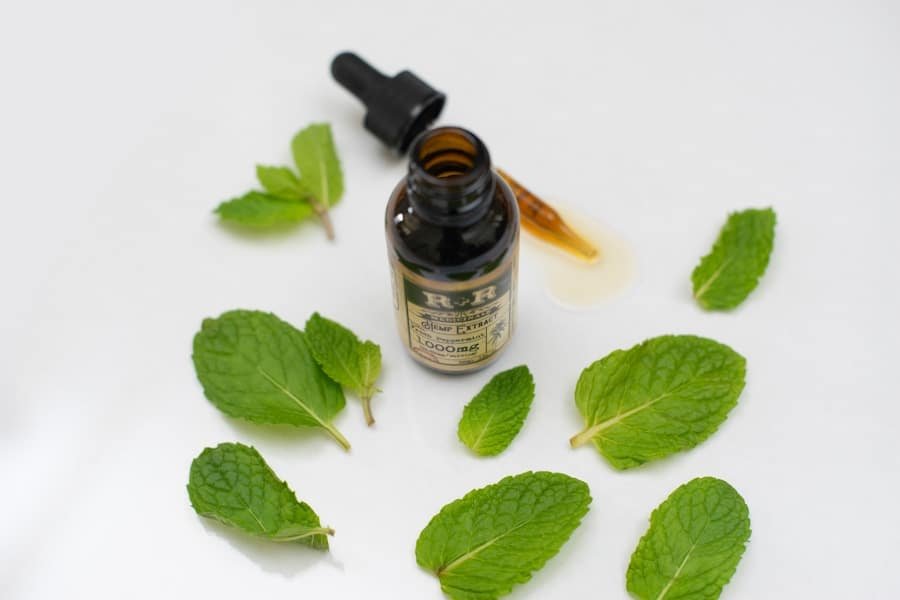
While tea tree oil is a powerful ally in the fight against acne, there are several other natural remedies you might consider incorporating into your skincare routine. For instance, aloe vera is well-known for its soothing properties and can help reduce inflammation while promoting healing in acne-prone skin. Applying fresh aloe vera gel directly from the plant can provide hydration without clogging pores.
Another popular natural remedy is witch hazel, which acts as an astringent and can help tighten pores while reducing excess oil production. You can apply witch hazel as a toner after cleansing your face to help control breakouts. Additionally, honey possesses antibacterial properties and can be used as a mask or spot treatment to help combat acne-causing bacteria while providing moisture to the skin.
When to See a Dermatologist for Acne Treatment
While many individuals find success using natural remedies like tea tree oil for their acne concerns, there are times when consulting a dermatologist becomes necessary. If you experience persistent or severe acne that does not improve with over-the-counter treatments or natural remedies, it’s essential to seek professional advice. A dermatologist can assess your skin condition and recommend appropriate treatments tailored to your specific needs.
Moreover, if you notice signs of scarring or hyperpigmentation resulting from your acne, a dermatologist can provide guidance on effective treatments to minimize these concerns. They may suggest prescription medications or advanced therapies such as chemical peels or laser treatments that can help improve your skin’s appearance more rapidly than topical treatments alone.
The Effectiveness of Tea Tree Oil for Acne
In conclusion, tea tree oil stands out as an effective natural remedy for treating acne due to its antibacterial and anti-inflammatory properties. Its gentle nature makes it suitable for various skin types, particularly those prone to irritation from harsher chemical treatments. By incorporating tea tree oil into your skincare routine—whether through direct application or as part of other products—you may find significant improvements in your skin’s clarity and overall health.
However, it’s crucial to approach its use with caution by ensuring proper dilution and being mindful of potential side effects. If you’re ever in doubt about how best to treat your acne or if your condition worsens, don’t hesitate to consult a dermatologist for personalized advice. With patience and consistency in your skincare regimen, you can harness the power of tea tree oil and other natural remedies to achieve clearer, healthier skin over time.
FAQs
What is tea tree oil?
Tea tree oil is an essential oil derived from the leaves of the Melaleuca alternifolia plant, native to Australia. It is known for its antimicrobial and anti-inflammatory properties.
Can tea tree oil be used to treat acne?
Yes, tea tree oil has been shown to be effective in treating acne due to its antimicrobial and anti-inflammatory properties. It can help reduce the number of acne lesions and the severity of acne.
How should tea tree oil be used to treat acne?
Tea tree oil can be applied topically to the skin, but it should be diluted with a carrier oil, such as coconut oil or jojoba oil, to avoid skin irritation. It is important to do a patch test before using tea tree oil to ensure that it does not cause any adverse reactions.
Are there any potential side effects of using tea tree oil for acne?
Some people may experience skin irritation, redness, or allergic reactions when using tea tree oil. It is important to use it in moderation and discontinue use if any adverse reactions occur.
Is tea tree oil suitable for all skin types?
While tea tree oil can be effective for treating acne, it may not be suitable for all skin types. People with sensitive skin may be more prone to experiencing irritation from tea tree oil. It is best to consult with a dermatologist before using tea tree oil for acne treatment.


