
In a world where beauty standards are often dictated by fleeting trends and commercialized ideals, Ayurvedic beauty offers a refreshing perspective rooted in ancient wisdom. This holistic approach to beauty emphasizes the interconnectedness of body, mind, and spirit, encouraging you to embrace your unique qualities rather than conforming to societal norms. By understanding and applying the principles of Ayurveda, you can cultivate a beauty regimen that not only enhances your physical appearance but also nurtures your inner self.
Ayurvedic beauty is not merely about external appearances; it is a comprehensive philosophy that recognizes the importance of balance and harmony within. It invites you to explore the natural world and its offerings, utilizing herbs, oils, and practices that have been cherished for centuries. As you delve into this ancient system, you will discover that true beauty emanates from a state of well-being, where your physical health, emotional stability, and spiritual fulfillment are all in sync.
Key Takeaways
- Ayurvedic beauty is a holistic approach to skincare and haircare that focuses on inner balance and natural ingredients.
- Understanding the doshas (Vata, Pitta, and Kapha) is essential in Ayurvedic beauty to customize skincare and haircare routines.
- Ayurvedic skincare and haircare emphasize the use of natural ingredients such as oils, herbs, and clays to nourish and balance the skin and hair.
- Inner balance, achieved through practices like meditation and yoga, is considered crucial for achieving outer beauty in Ayurveda.
- Following an Ayurvedic diet rich in fresh fruits, vegetables, and whole grains can contribute to healthy, glowing skin and hair.
Understanding the Doshas
At the heart of Ayurveda lies the concept of doshas, which are the three fundamental energies that govern your physical and mental characteristics. These doshas—Vata, Pitta, and Kapha—are derived from the five elements: earth, water, fire, air, and ether. Each person possesses a unique combination of these doshas, influencing everything from your skin type to your emotional responses.
By understanding your dosha, you can tailor your beauty practices to align with your natural tendencies. For instance, if you identify primarily with Vata, you may have dry skin and a tendency toward anxiety. In this case, incorporating nourishing oils and hydrating products into your skincare routine can help restore balance.
On the other hand, if Pitta is dominant in your constitution, you might experience oily skin and sensitivity to heat. Cooling ingredients like aloe vera and rose water can be beneficial for you. By recognizing your dosha and its implications for your beauty regimen, you can make informed choices that promote both health and radiance.
Ayurvedic Skincare and Haircare
Ayurvedic skincare is a celebration of natural ingredients that work in harmony with your body’s needs. Rather than relying on synthetic chemicals or harsh treatments, Ayurveda encourages you to use gentle, plant-based products that nourish and rejuvenate your skin. For example, you might find that turmeric, known for its anti-inflammatory properties, can brighten your complexion and reduce blemishes.
Similarly, sandalwood is revered for its soothing qualities and can help calm irritated skin. When it comes to haircare, Ayurveda offers a treasure trove of remedies tailored to different dosha types. If you have a Vata constitution, you may benefit from warm oil massages using sesame or coconut oil to hydrate and strengthen your hair.
For those with Pitta tendencies, cooling herbs like hibiscus can help soothe the scalp and prevent excessive oiliness. Kapha individuals might find that lighter oils such as jojoba work best to avoid weighing down their hair. By embracing these natural solutions, you can achieve healthy skin and hair while honoring the principles of Ayurveda.
Importance of Inner Balance
The essence of Ayurvedic beauty lies in the pursuit of inner balance. It is essential to recognize that external beauty is often a reflection of your internal state. Stress, anxiety, and emotional turmoil can manifest in various ways on your skin and overall appearance.
Therefore, cultivating a sense of peace and harmony within yourself is crucial for achieving lasting beauty. Practices such as meditation, yoga, and mindfulness can significantly contribute to your inner balance. By dedicating time each day to connect with yourself on a deeper level, you can alleviate stress and promote emotional well-being.
This inner tranquility will not only enhance your physical appearance but also radiate outward, allowing others to perceive your beauty in a more profound way. Remember that true beauty is not just about how you look; it’s about how you feel and how you carry yourself in the world.
Ayurvedic Diet and Beauty
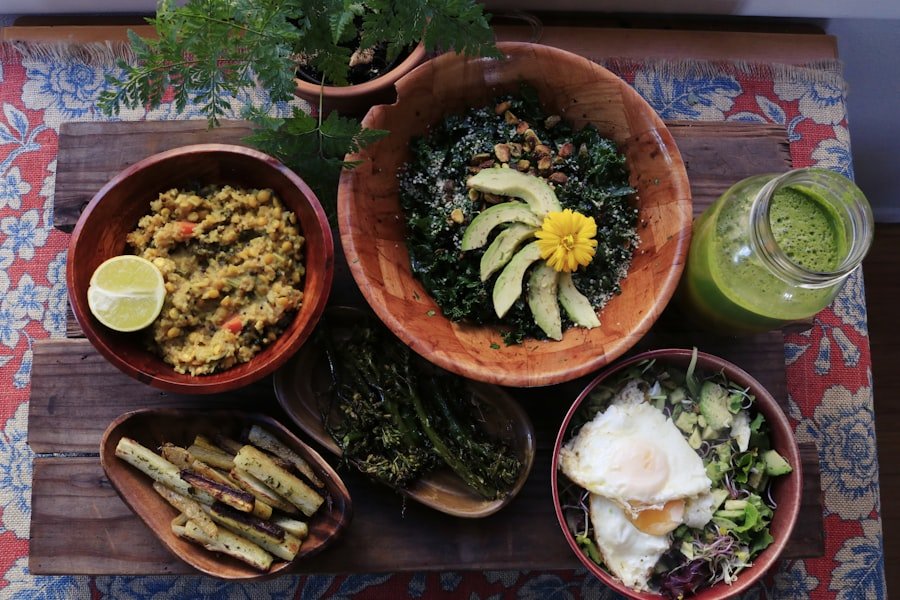
Your diet plays a pivotal role in your overall well-being and beauty. In Ayurveda, food is considered medicine; what you consume directly impacts your physical health and appearance. By adopting an Ayurvedic diet tailored to your dosha, you can nourish your body from the inside out.
This means choosing foods that align with your unique constitution while also promoting balance. For instance, if you are predominantly Vata, incorporating warm, moist foods like soups and stews can help ground you. Pitta types may benefit from cooling foods such as cucumbers and leafy greens to counteract their fiery nature.
Kapha individuals should focus on light, stimulating foods like spices and legumes to invigorate their system. By being mindful of what you eat and how it affects your body, you can enhance not only your physical health but also your natural beauty.
Ayurvedic Beauty Rituals
Incorporating Ayurvedic beauty rituals into your daily routine can transform the way you approach self-care. These rituals are designed to be mindful practices that honor both your body and spirit. One such ritual is Abhyanga, an ancient practice of self-massage using warm oils tailored to your dosha.
This not only nourishes the skin but also promotes circulation and relaxation. Another essential ritual is the use of herbal face masks made from natural ingredients like chickpea flour or honey combined with herbs specific to your needs. These masks can cleanse, exfoliate, and rejuvenate your skin while allowing you to take a moment for yourself amidst the hustle of daily life.
By integrating these rituals into your routine, you create a sacred space for self-love and care that enhances both your inner and outer beauty.
Ayurvedic Herbs and Ingredients
The world of Ayurvedic beauty is rich with herbs and ingredients that have been revered for their healing properties for centuries. Turmeric is perhaps one of the most well-known Ayurvedic ingredients; its anti-inflammatory and antioxidant properties make it a powerhouse for skincare. You might find it beneficial in face masks or as an ingredient in your daily diet.
Other notable herbs include neem, known for its antibacterial properties that help combat acne; amla, which is rich in vitamin C and promotes hair health; and brahmi, which supports mental clarity and calmness. By incorporating these herbs into your beauty routine—whether through topical applications or dietary choices—you can harness their natural benefits to enhance your overall well-being.
Incorporating Ayurvedic Beauty into Daily Life
Embracing Ayurvedic beauty doesn’t require a complete overhaul of your lifestyle; rather, it invites you to make small yet meaningful changes that align with its principles. Start by assessing your current skincare routine and identifying areas where you can incorporate natural ingredients or practices that resonate with you. Perhaps you could replace chemical-laden products with herbal alternatives or dedicate time each week for self-massage.
Additionally, consider integrating mindfulness practices into your daily life. Whether through meditation or simply taking a moment to breathe deeply before starting your day, these practices can help ground you in the present moment. As you begin to weave Ayurvedic principles into your life—through diet, rituals, or self-care—you will likely notice a shift not only in how you perceive beauty but also in how you feel about yourself.
In conclusion, Ayurvedic beauty offers a holistic approach that transcends conventional standards of attractiveness. By understanding the doshas, embracing natural ingredients, prioritizing inner balance, and incorporating mindful rituals into your daily life, you can cultivate a sense of beauty that is uniquely yours—one that radiates from within and celebrates the essence of who you are.
FAQs
What is Ayurvedic beauty?
Ayurvedic beauty is a holistic approach to skincare and beauty that is rooted in the ancient Indian healing system of Ayurveda. It focuses on balancing the mind, body, and spirit to achieve overall wellness and beauty.
What are the principles of Ayurvedic beauty?
The principles of Ayurvedic beauty include identifying one’s unique mind-body constitution (dosha), using natural and organic ingredients, practicing self-care rituals, maintaining a balanced diet, and promoting inner and outer harmony.
How does Ayurvedic beauty differ from conventional beauty practices?
Ayurvedic beauty differs from conventional beauty practices by emphasizing a personalized approach to skincare and beauty, using natural ingredients, and focusing on overall wellness rather than just external appearance.
What are some common Ayurvedic beauty ingredients?
Common Ayurvedic beauty ingredients include turmeric, neem, sandalwood, rose water, amla, coconut oil, and various herbs and botanical extracts that are known for their healing and nourishing properties.
What are some Ayurvedic beauty rituals?
Ayurvedic beauty rituals may include practices such as daily self-massage (abhyanga), dry brushing, oil pulling, herbal steam treatments, and using natural face masks and scrubs tailored to one’s dosha.
Is Ayurvedic beauty suitable for all skin types?
Yes, Ayurvedic beauty can be adapted to suit all skin types by customizing skincare routines and products based on an individual’s dosha and specific skin concerns.


