Pigmentation refers to the coloring of your skin, which is primarily determined by the presence of melanin, a natural pigment produced by specialized cells called melanocytes. When these cells produce too much or too little melanin, it can lead to various skin conditions, such as hyperpigmentation or hypopigmentation. Hyperpigmentation manifests as dark patches or spots on the skin, often triggered by factors like sun exposure, hormonal changes, or skin injuries.
On the other hand, hypopigmentation results in lighter areas of skin, which can occur due to conditions like vitiligo or post-inflammatory changes. Understanding the underlying causes of pigmentation is crucial for you to effectively address it. Factors such as genetics, environmental influences, and lifestyle choices play significant roles in how your skin responds to pigmentation.
For instance, excessive sun exposure can lead to an increase in melanin production as your skin attempts to protect itself from UV damage. Additionally, certain medications and hormonal fluctuations can also contribute to changes in pigmentation. By recognizing these factors, you can take proactive steps to manage and treat pigmentation issues.
Key Takeaways
- Pigmentation is the discoloration of the skin caused by an overproduction of melanin.
- Traditional approaches to treating pigmentation often involve topical creams, chemical peels, and laser treatments.
- Holistic beauty focuses on treating the body as a whole, addressing internal imbalances and external factors that contribute to pigmentation.
- Holistic beauty methods for treating pigmentation may include dietary changes, stress management, and natural skincare products.
- The benefits of holistic beauty for pigmentation include long-term results, improved overall health, and reduced risk of side effects.
The Traditional Approach to Treating Pigmentation
Traditionally, treating pigmentation has involved a range of methods aimed at reducing the appearance of dark spots and uneven skin tone. Dermatologists often recommend topical treatments containing ingredients like hydroquinone, retinoids, or alpha hydroxy acids (AHAs). These substances work by inhibiting melanin production or promoting cell turnover, helping to fade existing pigmentation over time.
Chemical peels and laser therapies are also common procedures that target pigmentation by removing the outer layers of skin or breaking down melanin deposits. While these traditional treatments can be effective for many individuals, they may not address the root causes of pigmentation. Furthermore, some people may experience side effects such as irritation, redness, or sensitivity to sunlight after undergoing these procedures.
As a result, it’s essential for you to weigh the benefits and potential drawbacks of traditional treatments before committing to a specific approach. Understanding your skin type and its unique needs will help you make informed decisions about your treatment options.
What is Holistic Beauty?
Holistic beauty is an approach that emphasizes the interconnectedness of the body, mind, and spirit in achieving overall well-being and radiant skin. Rather than focusing solely on external treatments, holistic beauty encourages you to consider lifestyle factors such as diet, stress management, and emotional health as integral components of your skincare routine. This philosophy recognizes that true beauty comes from within and that nurturing your overall health can lead to improved skin conditions.
Incorporating holistic beauty practices into your life means embracing natural ingredients and remedies that promote skin health without harsh chemicals or invasive procedures. This approach often includes using plant-based oils, herbal infusions, and gentle exfoliants that nourish the skin while minimizing irritation. By adopting a holistic mindset, you can create a more balanced and sustainable skincare routine that aligns with your values and promotes long-term skin health.
Holistic Beauty Methods for Treating Pigmentation
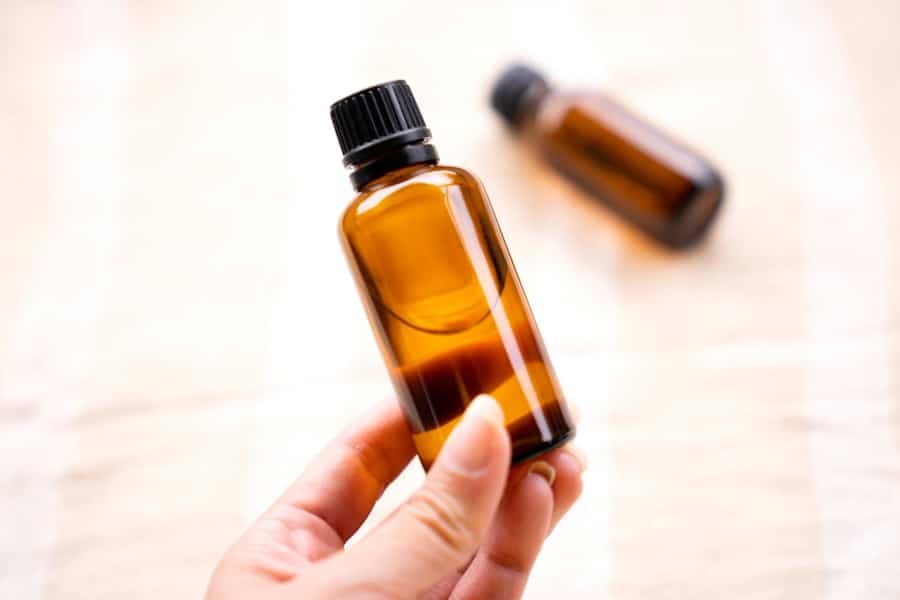
When it comes to treating pigmentation through holistic beauty methods, there are several natural approaches you can explore. One popular method is the use of essential oils known for their skin-brightening properties. Oils such as lemon, tea tree, and lavender can be diluted with a carrier oil and applied topically to help reduce the appearance of dark spots over time.
Additionally, incorporating vitamin C-rich foods into your diet can support your skin’s natural healing processes and promote an even complexion. Another effective holistic method involves creating a skincare routine that prioritizes gentle exfoliation and hydration. Regularly using natural exfoliants like sugar scrubs or oatmeal masks can help remove dead skin cells and encourage cell turnover, revealing fresher skin underneath.
Furthermore, hydrating your skin with natural oils like jojoba or rosehip oil can help maintain moisture levels while providing essential nutrients that support healthy skin function. By integrating these holistic methods into your routine, you can work towards achieving a more balanced and radiant complexion.
The Benefits of Holistic Beauty for Pigmentation
Embracing holistic beauty practices for treating pigmentation offers numerous benefits that extend beyond just improving your skin’s appearance. One significant advantage is the reduction of potential side effects associated with traditional treatments. By opting for natural remedies and gentle skincare products, you minimize the risk of irritation or adverse reactions that can occur with harsher chemical treatments.
This makes holistic beauty a safer option for individuals with sensitive skin or those prone to allergic reactions. Moreover, holistic beauty encourages a more mindful approach to self-care. By focusing on nourishing your body from within through a balanced diet and stress management techniques like yoga or meditation, you create a positive feedback loop that enhances both your mental well-being and your skin’s health.
This comprehensive approach not only addresses pigmentation but also fosters a sense of empowerment and self-love as you take charge of your skincare journey.
Holistic Beauty Practices to Avoid for Pigmentation
While many holistic beauty practices can be beneficial for treating pigmentation, there are certain methods you should approach with caution or avoid altogether. For instance, some individuals may be tempted to use highly acidic natural ingredients like undiluted lemon juice directly on their skin in hopes of lightening dark spots. However, this can lead to irritation and increased sensitivity to sunlight, potentially worsening pigmentation issues rather than improving them.
Additionally, it’s essential to be wary of overly aggressive exfoliation methods that can damage the skin barrier. While exfoliation is crucial for promoting cell turnover, using harsh scrubs or exfoliating too frequently can lead to inflammation and exacerbate pigmentation problems. Instead, opt for gentle exfoliants and listen to your skin’s needs to ensure you’re not causing more harm than good in your quest for an even complexion.
Combining Holistic Beauty with Traditional Treatments
Combining holistic beauty practices with traditional treatments can create a well-rounded approach to managing pigmentation effectively. For example, if you’re undergoing laser therapy or chemical peels as part of your treatment plan, incorporating soothing herbal remedies into your post-treatment care can help reduce inflammation and promote healing. Natural ingredients like aloe vera or chamomile can provide calming effects on the skin while supporting recovery.
Moreover, integrating dietary changes alongside traditional treatments can enhance their effectiveness. Consuming foods rich in antioxidants—such as berries, leafy greens, and nuts—can help combat oxidative stress in the body and support overall skin health. By merging these two approaches thoughtfully, you can create a synergistic effect that maximizes the benefits of both holistic beauty and traditional treatments.
Consultation and Professional Advice
Before embarking on any treatment journey for pigmentation—whether traditional or holistic—it’s crucial for you to seek professional advice from a qualified dermatologist or skincare expert. They can assess your specific skin type and condition while providing personalized recommendations tailored to your needs. A professional consultation will help you understand the underlying causes of your pigmentation issues and guide you toward the most effective treatment options.
Additionally, staying informed about new developments in both traditional and holistic skincare practices will empower you to make educated decisions about your skincare routine. Engaging with professionals who specialize in holistic beauty can also provide valuable insights into integrating natural remedies safely into your regimen. Ultimately, taking the time to consult with experts will ensure that you are on the right path toward achieving healthy, radiant skin while effectively addressing pigmentation concerns.
FAQs
What is holistic beauty?
Holistic beauty is an approach to skincare and beauty that focuses on the overall well-being of an individual, taking into account physical, mental, and emotional health. It emphasizes natural and organic products, as well as lifestyle factors such as diet, exercise, and stress management.
What is pigmentation?
Pigmentation refers to the coloring of the skin, caused by the production of melanin. Uneven pigmentation, such as dark spots or patches, can be caused by sun exposure, hormonal changes, or skin injuries.
How can holistic beauty help with pigmentation?
Holistic beauty approaches pigmentation by addressing the root causes of uneven skin tone, such as inflammation, oxidative stress, and hormonal imbalances. This may involve using natural ingredients with skin-brightening properties, as well as promoting overall skin health through lifestyle changes.
What are some holistic beauty practices for addressing pigmentation?
Holistic beauty practices for pigmentation may include using natural ingredients like vitamin C, licorice root, and niacinamide, as well as incorporating antioxidant-rich foods into the diet, practicing stress-reducing activities, and using non-toxic skincare products.
Is holistic beauty effective for treating pigmentation?
While holistic beauty practices may help improve the appearance of pigmentation, individual results may vary. It’s important to consult with a dermatologist or skincare professional to determine the best approach for addressing pigmentation.