
You may have noticed that during particularly stressful times, your skin seems to rebel against you. Breakouts can appear out of nowhere, leaving you feeling frustrated and self-conscious. This phenomenon is not just a coincidence; there is a well-documented connection between stress and skin health.
When you experience stress, your body goes into a fight-or-flight mode, triggering a cascade of physiological responses that can lead to various skin issues, including acne. Understanding this connection is crucial for managing your skin effectively. When you are under stress, your body produces a surge of hormones, including adrenaline and cortisol.
These hormones can increase oil production in your skin, leading to clogged pores and, ultimately, breakouts. Additionally, stress can weaken your immune system, making it harder for your body to fight off bacteria that contribute to acne. Recognizing how stress impacts your skin can empower you to take proactive steps in managing both your mental well-being and your complexion.
Key Takeaways
- Stress can lead to breakouts by triggering the release of hormones that increase oil production and inflammation in the skin.
- Cortisol, the stress hormone, can disrupt the skin’s natural barrier function and lead to increased sensitivity and irritation.
- Stress can worsen existing skin conditions such as acne, eczema, and psoriasis by exacerbating inflammation and immune responses.
- Hormonal imbalances caused by stress can lead to increased sebum production and skin inflammation, contributing to breakouts.
- Coping strategies such as mindfulness, exercise, and self-care can help manage stress and reduce the likelihood of stress-related breakouts.
The Role of Cortisol in Skin Health
Cortisol, often referred to as the “stress hormone,” plays a significant role in how your skin responds to stress. When you encounter stressful situations, your adrenal glands release cortisol into your bloodstream. While cortisol is essential for various bodily functions, excessive levels can wreak havoc on your skin.
Elevated cortisol levels can lead to increased oil production, which can clog pores and result in breakouts. Moreover, cortisol can also affect the skin’s ability to heal. When you are stressed, your body prioritizes immediate survival over long-term health, which can slow down the healing process of existing blemishes.
This means that not only are you more likely to experience new breakouts during stressful periods, but those breakouts may also take longer to resolve. Understanding the role of cortisol in skin health can help you recognize the importance of managing stress effectively.
How Stress Can Aggravate Existing Skin Conditions
If you already struggle with skin conditions such as eczema, psoriasis, or rosacea, stress can exacerbate these issues significantly. You might find that flare-ups coincide with periods of heightened stress in your life. This is because stress can trigger inflammatory responses in the body, leading to increased redness, irritation, and discomfort in your skin.
The relationship between stress and these conditions is complex but undeniable. For instance, if you have eczema, stress can lead to an increase in itching and inflammation, making it difficult to manage the condition effectively. Similarly, individuals with rosacea may notice that their symptoms worsen during stressful times, leading to more pronounced redness and sensitivity.
By acknowledging how stress impacts existing skin conditions, you can take steps to mitigate its effects and maintain healthier skin.
The Impact of Stress on Hormonal Balance and Skin
Stress does not only affect cortisol levels; it can also disrupt the delicate balance of other hormones in your body. Hormonal fluctuations can have a direct impact on your skin’s health and appearance. For example, when you are stressed, your body may produce more androgens—hormones that can increase oil production and lead to acne breakouts.
This hormonal imbalance can create a vicious cycle where stress leads to breakouts, which in turn causes more stress. Additionally, hormonal imbalances can affect your skin’s moisture levels and elasticity. You may notice that during stressful periods, your skin feels drier or more sensitive than usual.
This is because stress can impact the production of hormones that regulate hydration and skin barrier function. By understanding how stress influences hormonal balance, you can take steps to address both the emotional and physical aspects of skin health.
Coping Strategies for Managing Stress-Related Breakouts
To combat stress-related breakouts effectively, it is essential to develop coping strategies that work for you. One effective approach is incorporating mindfulness practices into your daily routine. Mindfulness techniques such as meditation or deep-breathing exercises can help reduce stress levels and promote a sense of calm.
By taking just a few minutes each day to focus on your breath or engage in meditation, you may find that your overall stress levels decrease, leading to clearer skin. Another strategy is to engage in regular physical activity. Exercise is a powerful tool for managing stress as it releases endorphins—natural mood lifters that can help alleviate feelings of anxiety and tension.
Whether it’s going for a brisk walk, practicing yoga, or hitting the gym, finding an activity you enjoy can make a significant difference in how you handle stress and its impact on your skin.
The Importance of Self-Care and Stress Management
Simple Acts of Self-Care
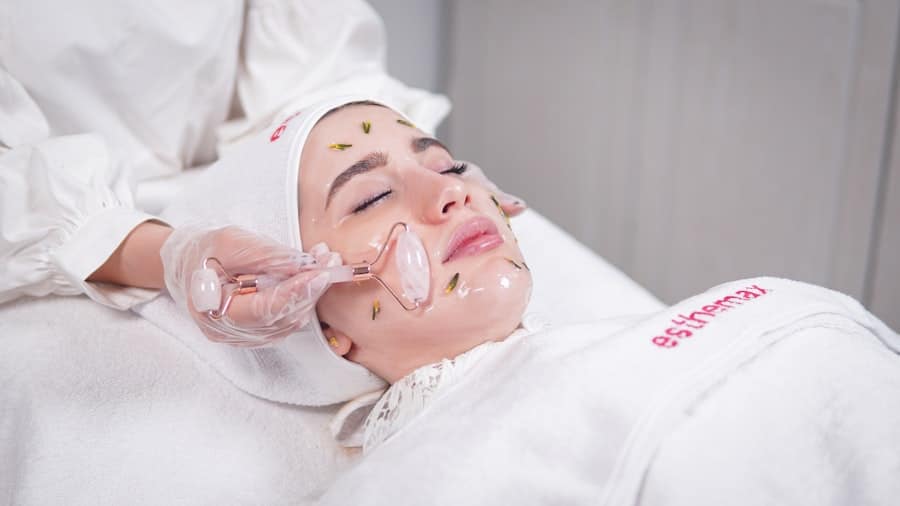
Simple acts like taking a warm bath, reading a book, or indulging in a skincare routine can help you unwind and reduce stress levels.
Establishing Boundaries
In addition to these small acts of self-care, consider establishing boundaries in your life to protect your mental well-being. This might mean saying no to additional responsibilities or carving out time for yourself amidst a busy schedule.
Achieving a Balanced Lifestyle
By recognizing the importance of self-care and actively incorporating it into your routine, you can create a more balanced lifestyle that supports both your mental health and your skin.
Seeking Professional Help for Stress-Induced Skin Issues
If you find that stress-related breakouts persist despite your best efforts at self-care and coping strategies, it may be time to seek professional help. Dermatologists and mental health professionals can work together to address the underlying issues contributing to your skin problems. A dermatologist can provide targeted treatments for acne or other skin conditions while also considering the impact of stress on your overall skin health.
Additionally, speaking with a therapist or counselor can help you develop effective coping mechanisms for managing stress. They can provide valuable insights into how stress affects not only your mental well-being but also your physical health, including your skin. By taking this holistic approach to treatment, you can work towards achieving clearer skin while also addressing the root causes of your stress.
Lifestyle Changes to Reduce Stress and Improve Skin Health
Making lifestyle changes can have a profound impact on both your stress levels and the health of your skin. One significant change you might consider is improving your diet. A balanced diet rich in fruits, vegetables, whole grains, and healthy fats can support overall well-being and help reduce inflammation in the body.
Foods high in antioxidants can also promote healthy skin by combating oxidative stress. Additionally, prioritizing sleep is crucial for managing stress and maintaining healthy skin. Lack of sleep can exacerbate stress levels and lead to increased cortisol production, which may contribute to breakouts.
Aim for 7-9 hours of quality sleep each night by establishing a calming bedtime routine and creating an environment conducive to restful sleep. In conclusion, understanding the intricate relationship between stress and breakouts is essential for anyone looking to maintain healthy skin. By recognizing the role of cortisol, hormonal balance, and existing skin conditions in this equation, you can take proactive steps toward managing both stress and its effects on your complexion.
Implementing coping strategies, prioritizing self-care, seeking professional help when needed, and making lifestyle changes will empower you to take control of your skin health while fostering a more balanced approach to life overall.
FAQs
What is stress?
Stress is the body’s natural response to a perceived threat or challenge. It can be triggered by various factors such as work, relationships, or major life changes.
Can stress cause breakouts?
Yes, stress can cause breakouts. When the body is under stress, it releases cortisol, a hormone that can increase oil production in the skin. This excess oil can clog pores and lead to breakouts.
How does stress affect the skin?
Stress can affect the skin in various ways, including triggering breakouts, worsening existing skin conditions such as acne or eczema, and causing the skin to appear dull and tired.
Can reducing stress help improve skin condition?
Yes, reducing stress can help improve skin condition. Managing stress through techniques such as exercise, meditation, and adequate sleep can help regulate hormone levels and reduce the likelihood of breakouts.
Are there other ways stress can impact skin health?
In addition to causing breakouts, stress can also contribute to premature aging of the skin, increase inflammation, and impair the skin’s ability to repair and regenerate.


