
Essential oils are concentrated plant extracts that capture the natural fragrance and beneficial properties of various botanicals. These oils are derived from different parts of plants, including leaves, flowers, bark, and roots, through processes such as steam distillation or cold pressing. As you explore the world of essential oils, you will discover that they are not just aromatic substances; they are powerful allies in enhancing your beauty and well-being.
Their versatility makes them a popular choice for those seeking natural alternatives to conventional beauty products. Understanding the basics of essential oils is crucial for anyone looking to incorporate them into their beauty routine. Each essential oil possesses unique characteristics and benefits, influenced by the plant from which it is derived.
For instance, lavender oil is renowned for its calming properties, while tea tree oil is celebrated for its antibacterial effects. As you delve deeper into the realm of essential oils, you will find that they can be used in various ways, from skincare to haircare, making them a valuable addition to your beauty arsenal.
Key Takeaways
- Essential oils are highly concentrated plant extracts that have been used for centuries for their various beauty and wellness benefits.
- The science behind essential oils lies in their ability to penetrate the skin and deliver therapeutic benefits, such as anti-inflammatory and antimicrobial properties.
- Common essential oils like lavender, tea tree, and rosehip offer beauty benefits such as soothing irritated skin, fighting acne, and promoting hair growth.
- Essential oils can be used for beauty in various ways, including in DIY skincare and haircare recipes, as well as in aromatherapy and massage.
- While essential oils can offer many beauty benefits, it’s important to be aware of potential risks and precautions, such as skin irritation and allergic reactions, and to always dilute them properly before use.
The Science Behind Essential Oils and Beauty Benefits
The science behind essential oils is rooted in their chemical composition, which consists of various compounds that contribute to their therapeutic properties. When you inhale or apply essential oils, these compounds interact with your body in ways that can promote physical and emotional well-being. For example, the aroma of essential oils can stimulate the olfactory system, triggering responses in the brain that can enhance mood and reduce stress.
This connection between scent and emotion is one reason why essential oils have gained popularity in beauty and wellness practices. In terms of beauty benefits, essential oils can offer a range of advantages for your skin and hair. Many essential oils possess antioxidant properties that help combat free radicals, which can lead to premature aging.
Others have anti-inflammatory effects that can soothe irritated skin or reduce redness. As you explore the science behind these oils, you will come to appreciate how they can enhance your beauty routine by addressing specific concerns such as acne, dryness, or dullness. By understanding the underlying mechanisms at play, you can make informed choices about which essential oils to incorporate into your regimen.
Common Essential Oils and Their Beauty Benefits
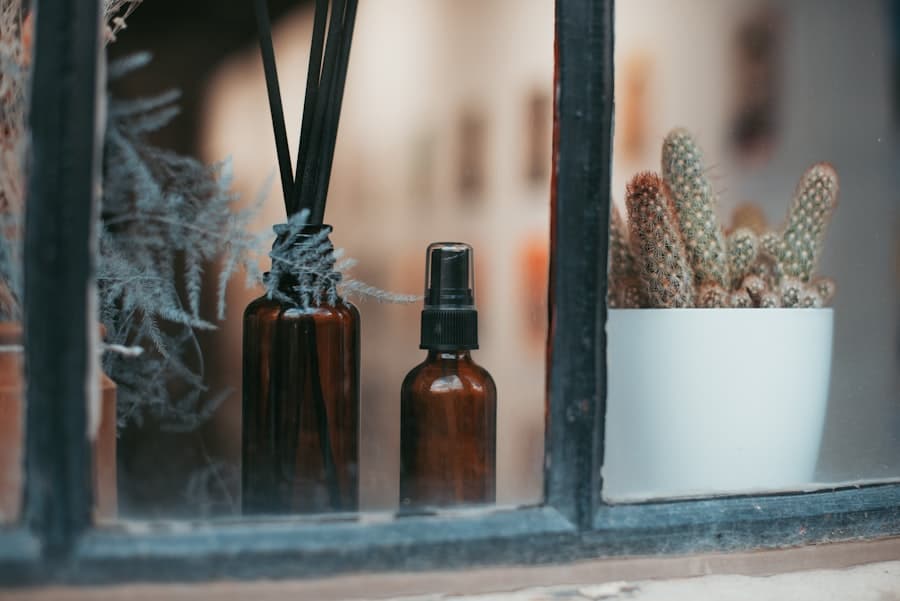
As you embark on your journey with essential oils, it’s helpful to familiarize yourself with some of the most common varieties and their associated beauty benefits. Lavender oil is a favorite among many for its calming scent and skin-soothing properties. It can help alleviate stress while promoting relaxation, making it an excellent addition to your nighttime skincare routine.
Additionally, lavender oil has been known to assist in healing minor cuts and burns due to its antiseptic qualities. Another popular essential oil is tea tree oil, which is particularly effective for those dealing with acne-prone skin. Its antibacterial properties help combat the bacteria that contribute to breakouts while also reducing inflammation.
You may find that incorporating tea tree oil into your skincare routine can lead to clearer skin over time. Similarly, rose oil is celebrated for its hydrating properties and ability to improve skin elasticity. Its luxurious scent can elevate your beauty rituals, making you feel pampered while nourishing your skin.
How to Use Essential Oils for Beauty
Incorporating essential oils into your beauty routine can be both enjoyable and beneficial when done correctly. One of the simplest ways to use essential oils is by adding a few drops to your favorite carrier oil, such as jojoba or coconut oil. This mixture can be applied directly to your skin as a moisturizer or used as a massage oil to relieve tension.
When blending essential oils with carrier oils, it’s important to follow recommended dilution guidelines to ensure safety and effectiveness. You can also use essential oils in your bath routine for a relaxing experience. Adding a few drops of your chosen oil to warm bathwater can create an aromatic oasis that soothes both body and mind.
Alternatively, consider creating DIY beauty products such as face masks or scrubs by incorporating essential oils into natural ingredients like honey or oatmeal. This not only allows you to customize your skincare but also ensures that you are using natural components free from harsh chemicals.
Potential Risks and Precautions When Using Essential Oils
While essential oils offer numerous benefits, it’s essential to approach their use with caution. Some individuals may experience allergic reactions or skin sensitivities when using certain oils, so conducting a patch test before widespread application is advisable. To perform a patch test, dilute a small amount of the essential oil with a carrier oil and apply it to a discreet area of skin.
Wait 24 hours to see if any adverse reactions occur before using it more broadly. Additionally, certain essential oils may not be suitable for everyone, particularly pregnant women or individuals with specific health conditions. It’s crucial to research each oil’s contraindications and consult with a healthcare professional if you have any concerns.
By taking these precautions, you can enjoy the benefits of essential oils while minimizing potential risks.
Essential Oils in Skincare Products
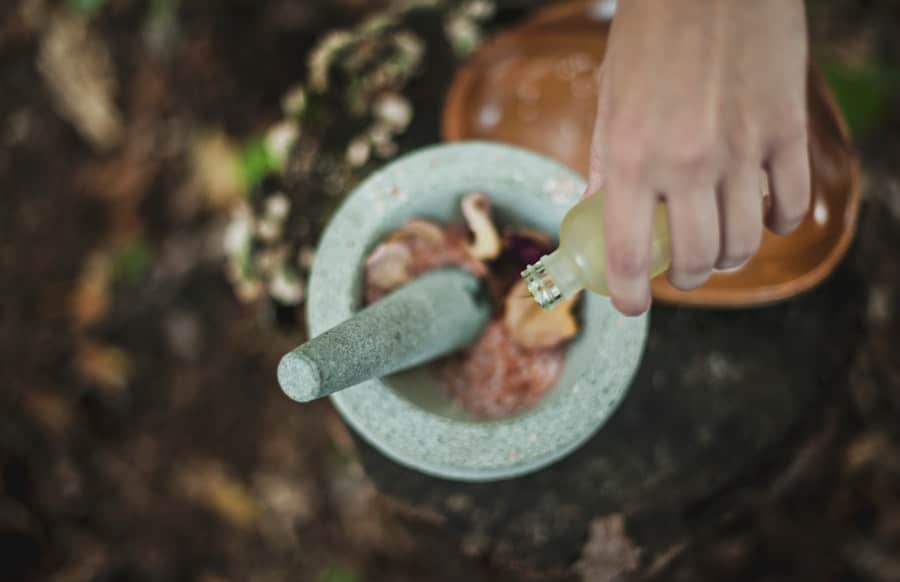
The incorporation of essential oils into skincare products has become increasingly popular in recent years. Many brands now formulate their creams, serums, and cleansers with essential oils due to their natural benefits and appealing scents. When selecting skincare products containing essential oils, pay attention to the concentration levels and the specific oils used in the formulation.
High-quality products will often list the essential oils prominently on their ingredient labels. Using skincare products infused with essential oils can enhance your daily routine by providing both sensory pleasure and therapeutic benefits. For instance, a facial cleanser containing tea tree oil can help purify your skin while providing a refreshing aroma that invigorates your senses.
Similarly, a moisturizer enriched with rose oil can hydrate your skin while leaving behind a delicate floral scent that lingers throughout the day.
Essential Oils in Haircare Products
Just as essential oils can benefit your skin, they can also work wonders for your hair. Many haircare brands have begun incorporating essential oils into their formulations to promote healthy hair growth and improve scalp health. For example, peppermint oil is known for its invigorating properties that stimulate blood circulation in the scalp, potentially leading to healthier hair growth over time.
When using haircare products containing essential oils, consider how they align with your specific hair type and concerns. If you have dry or damaged hair, look for products infused with nourishing oils like argan or lavender oil that provide hydration and repair benefits. On the other hand, if you struggle with oily hair or dandruff, tea tree or rosemary oil may be more suitable due to their clarifying properties.
Incorporating Essential Oils into Your Beauty Routine
To fully embrace the benefits of essential oils in your beauty routine, consider creating a personalized regimen that incorporates these powerful extracts in various ways. Start by identifying your specific beauty goals—whether it’s achieving clearer skin, promoting relaxation, or enhancing hair health—and select essential oils that align with those objectives. You might begin each day by applying a few drops of citrus-scented essential oil to uplift your mood as you prepare for the day ahead.
In the evening, unwind with a calming lavender-infused bath or facial treatment that helps you relax after a long day. By thoughtfully integrating essential oils into different aspects of your beauty routine, you can create a holistic approach that nurtures both your physical appearance and emotional well-being. In conclusion, essential oils offer a wealth of benefits for beauty enthusiasts looking for natural alternatives to conventional products.
By understanding their properties and how to use them effectively, you can enhance your skincare and haircare routines while enjoying the aromatic experience they provide. As you explore this fragrant world, remember to prioritize safety and personalization in order to make the most of these powerful plant extracts in your daily life.
FAQs
What are essential oils?
Essential oils are concentrated liquids extracted from plants, such as flowers, leaves, roots, and fruits. They are often used for their fragrance and potential therapeutic properties.
What are the supposed beauty benefits of essential oils?
Essential oils are believed to have various beauty benefits, including moisturizing the skin, reducing the appearance of wrinkles, promoting hair growth, and soothing skin irritations.
How are essential oils used in beauty products?
Essential oils are commonly used in beauty products such as lotions, creams, serums, and shampoos. They can also be used in DIY beauty treatments, such as facial masks and hair treatments.
Are there any risks or side effects associated with using essential oils for beauty purposes?
Yes, essential oils can cause skin irritation, allergic reactions, and sensitivity to sunlight. It is important to dilute essential oils properly and perform a patch test before using them on the skin.
Are essential oils regulated by any governing body?
In the United States, essential oils are not regulated by the Food and Drug Administration (FDA) for their cosmetic or therapeutic properties. However, they may be regulated by other organizations in different countries.
Can essential oils replace traditional beauty products?
While essential oils may offer some beauty benefits, they are not a replacement for traditional beauty products. It is important to use them in conjunction with a regular skincare and haircare routine.


