
When it comes to makeup, understanding your skin tone is the first step toward achieving a flawless look. Your skin tone is the natural color of your skin, which can range from cool to warm to neutral. To determine your skin tone, you can perform a simple test using the veins on your wrist.
If your veins appear blue, you likely have a cool undertone. If they look greenish, you probably have a warm undertone. If you find it difficult to tell, you may fall into the neutral category, which means you can wear a variety of shades without clashing.
Recognizing your skin tone is crucial not only for selecting makeup but also for choosing clothing and accessories that complement your natural beauty. Cool tones often look best in silver jewelry and jewel-toned colors like emerald green or sapphire blue. On the other hand, warm tones shine in gold jewelry and earthy colors such as orange, yellow, and warm reds.
By understanding your skin tone, you can enhance your overall appearance and feel more confident in your choices.
Key Takeaways
- Understanding your skin tone is crucial for choosing the right makeup shades that complement your natural complexion.
- Identifying your skin type (e.g. oily, dry, combination) will help you select makeup products that work best for your specific needs.
- Choosing the right foundation shade involves considering both your skin tone and undertone to achieve a seamless, natural look.
- Selecting the best blush and bronzer shades depends on your skin tone and type, as well as the desired makeup look (e.g. natural, sun-kissed).
- Finding the perfect lipstick color involves matching it to your skin tone and undertone for a flattering and cohesive makeup look.
Identifying Your Skin Type
Once you have a grasp on your skin tone, the next step is to identify your skin type. Your skin type can be categorized into four main types: oily, dry, combination, and sensitive. Oily skin tends to produce excess sebum, leading to a shiny appearance and enlarged pores.
If you often find yourself battling breakouts or a greasy T-zone, you likely have oily skin. Conversely, dry skin can feel tight and may show signs of flakiness or rough patches. If you struggle with dryness or irritation, this may be your skin type.
Combination skin is a blend of both oily and dry areas, often characterized by an oily T-zone and dry cheeks. This type can be tricky to manage, as it requires different products for different areas of your face. Lastly, sensitive skin is easily irritated and may react negatively to certain ingredients in skincare or makeup products.
If you experience redness, itching, or burning sensations, it’s essential to choose products specifically formulated for sensitive skin. Understanding your skin type will help you select the right products that cater to your unique needs.
Choosing the Right Foundation Shade

Choosing the right foundation shade is one of the most critical steps in your makeup routine. A well-matched foundation can create a seamless canvas for the rest of your makeup, while an ill-fitting shade can lead to an unnatural appearance. To find your perfect match, start by testing foundations on your jawline rather than your wrist or hand.
This area will give you a better idea of how the foundation will look on your face. When testing shades, apply a small amount of foundation and blend it into your skin. The right shade should disappear into your complexion without leaving a noticeable line.
It’s also important to consider the foundation’s finish—matte, dewy, or satin—as this can affect how the color appears on your skin. Additionally, remember that your skin tone may change with the seasons; you might need a lighter shade in winter and a darker one in summer. By taking the time to find the right foundation shade, you’ll set a solid foundation for your entire makeup look.
Selecting the Best Blush and Bronzer
Blush and bronzer are essential for adding dimension and warmth to your face. When selecting these products, consider both your skin tone and type. For blush, cooler tones often look great in pinks and berries, while warmer tones can opt for peachy or coral shades.
If you have a neutral undertone, you have the flexibility to experiment with both cool and warm shades to see what suits you best. Bronzer is another product that can enhance your features when applied correctly. Choose a bronzer that is only a few shades darker than your natural skin tone to avoid looking overly tanned or orange.
For those with cool undertones, opt for bronzers with a subtle shimmer or taupe hues; warm undertones can benefit from golden or reddish bronzers that mimic a sun-kissed glow. When applying blush and bronzer, remember to blend well for a natural finish that enhances rather than overwhelms your features.
Finding the Perfect Lipstick Color
Lipstick can be a powerful tool for expressing yourself and completing your makeup look. To find the perfect lipstick color, start by considering your skin tone and undertone. For cool undertones, shades like berry, plum, and blue-based reds can be incredibly flattering.
If you have warm undertones, look for coral, peachy pinks, and warm reds that will complement your complexion beautifully. Additionally, think about the occasion when selecting a lipstick color. A bold red might be perfect for a night out but could feel too intense for daytime wear.
On the other hand, nude shades can be versatile but may require careful selection to ensure they don’t wash you out. Don’t hesitate to try different finishes—matte, satin, or glossy—to see what feels best on your lips and suits your style. Ultimately, finding the right lipstick color is about experimenting until you discover what makes you feel confident and beautiful.
Matching Eyeshadow to Your Skin Tone
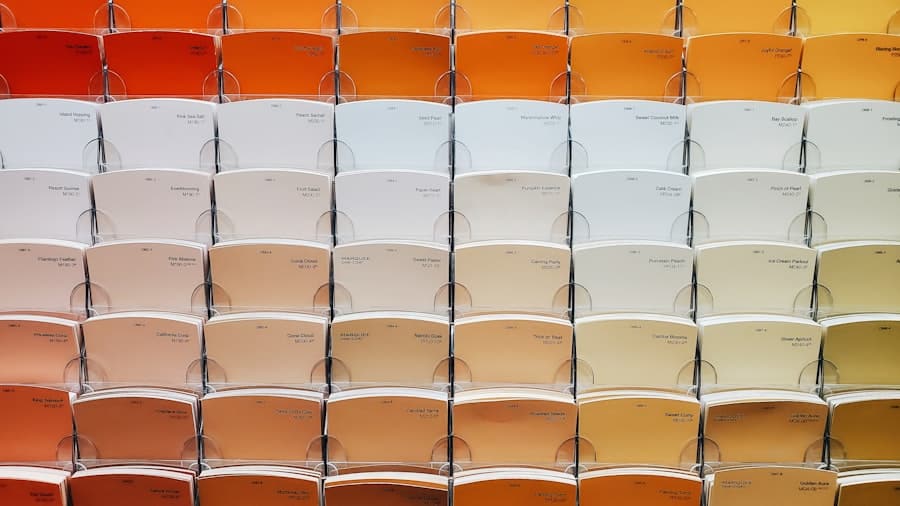
Eyeshadow is an exciting way to enhance your eyes and express creativity through makeup. When choosing eyeshadow colors, consider how they will complement your skin tone. For those with cool undertones, shades like cool browns, purples, and silvery grays can create stunning looks that enhance the natural beauty of your eyes.
Warm-toned individuals may find that earthy tones like terracotta, golds, and warm browns work wonders in bringing out their features. In addition to considering your skin tone, think about the shape of your eyes when selecting eyeshadow colors and application techniques. Lighter shades can be used on the lid to brighten the eyes, while darker shades can be applied in the crease for depth and dimension.
Don’t shy away from experimenting with bold colors or shimmers; sometimes stepping outside of your comfort zone can lead to exciting new looks that showcase your personality.
Considering Your Skin Type for Makeup Application
Your skin type plays a significant role in how makeup applies and wears throughout the day. For instance, if you have oily skin, using a mattifying primer before applying foundation can help control shine and keep your makeup in place longer. On the other hand, if you have dry skin, opting for hydrating primers and foundations will ensure that your makeup doesn’t cling to dry patches or accentuate flakiness.
Additionally, consider how different products interact with your skin type during application. For example, cream blushes and liquid highlighters tend to work well on dry skin as they provide hydration and a dewy finish. Conversely, powder products may be more suitable for oily skin types as they help absorb excess oil throughout the day.
By tailoring your makeup application techniques to suit your skin type, you’ll achieve a more polished look that lasts longer.
Seeking Professional Help
While understanding your skin tone and type is essential for selecting makeup products that work for you, sometimes seeking professional help can take your makeup game to the next level. Makeup artists are trained to assess individual features and recommend products tailored specifically to you. Whether you’re preparing for a special event or simply want to refine your everyday look, consulting with a professional can provide valuable insights.
Additionally, many beauty counters offer complimentary consultations where trained staff can help you find the right shades and products based on your unique characteristics. This personalized approach not only saves time but also ensures that you’re investing in products that truly enhance your natural beauty. Remember that makeup should be fun and empowering; don’t hesitate to seek guidance if it helps you feel more confident in expressing yourself through beauty!
FAQs
What is the importance of finding makeup that matches my skin tone and type?
Finding makeup that matches your skin tone and type is important because it ensures that the products will blend seamlessly with your natural skin, providing a more natural and flattering look. Using the wrong shade or type of makeup can result in an unnatural appearance and may cause skin irritation or breakouts.
How can I determine my skin tone?
You can determine your skin tone by looking at the undertones of your skin. There are three main undertones: cool, warm, and neutral. Cool undertones have hints of pink, red, or blue, warm undertones have hints of yellow, peach, or gold, and neutral undertones have a mix of both cool and warm undertones.
What are the different types of makeup for different skin types?
There are various types of makeup products designed for different skin types. For oily skin, look for oil-free and mattifying products. For dry skin, opt for hydrating and moisturizing formulas. For combination skin, choose products that balance oil and hydration. For sensitive skin, select products that are fragrance-free and hypoallergenic.
How can I find makeup that matches my skin tone and type?
To find makeup that matches your skin tone and type, it’s important to test the products before purchasing. Many beauty stores offer samples or testers that you can use to try out different shades and formulas. Additionally, you can seek advice from beauty experts or makeup artists who can help you find the perfect match for your skin.


