
In recent years, the concept of holistic beauty has gained significant traction, appealing to those who seek a more natural and integrative approach to self-care. You may find that holistic beauty practices emphasize the connection between the mind, body, and spirit, promoting not just external beauty but also internal well-being. This philosophy encourages you to consider how your lifestyle choices, emotional health, and environmental factors contribute to your overall appearance.
By adopting a holistic perspective, you can cultivate a beauty routine that aligns with your values and nurtures your entire being. Holistic beauty often incorporates natural ingredients, such as essential oils, herbs, and plant-based products, which are believed to be gentler on the skin and more effective in promoting health. You might explore various rituals that include mindfulness practices, such as meditation or yoga, which can enhance your beauty regimen by reducing stress and fostering a sense of inner peace.
This comprehensive approach not only addresses physical appearance but also encourages you to embrace self-love and acceptance, ultimately leading to a more profound sense of beauty that radiates from within.
Key Takeaways
- Holistic beauty practices focus on overall well-being and incorporate natural ingredients, mindfulness, and self-care.
- Natural ingredients in beauty products may pose potential risks such as skin irritation, allergic reactions, and sensitivities.
- Allergic reactions and sensitivities to natural ingredients can vary from mild to severe and may require medical attention.
- Contamination and safety concerns can arise from improper handling and storage of natural beauty products.
- Lack of regulation and quality control in the natural beauty industry can lead to misinformation, false claims, and ineffective products.
- Interactions with conventional beauty products should be considered when incorporating natural ingredients into a beauty routine.
- Seeking professional guidance and advice from dermatologists or skincare experts is important when using natural beauty products.
Potential Risks of Using Natural Ingredients
Essential Oils: A Double-Edged Sword
Certain essential oils can be potent and lead to negative effects if used improperly. It’s vital to educate yourself about their specific properties to incorporate into your beauty routine.>
Variability in Effectiveness
The effectiveness of natural ingredients can vary significantly from person to person. What works wonders for one individual may not yield the same results for you. This variability can lead to frustration and disappointment, especially if you have high expectations based on anecdotal evidence or marketing claims.
A Discerning Approach
It’s wise to approach natural beauty products with a discerning eye and a willingness to experiment cautiously, ensuring that you prioritize your skin’s health and safety above all else.
Allergic Reactions and Sensitivities
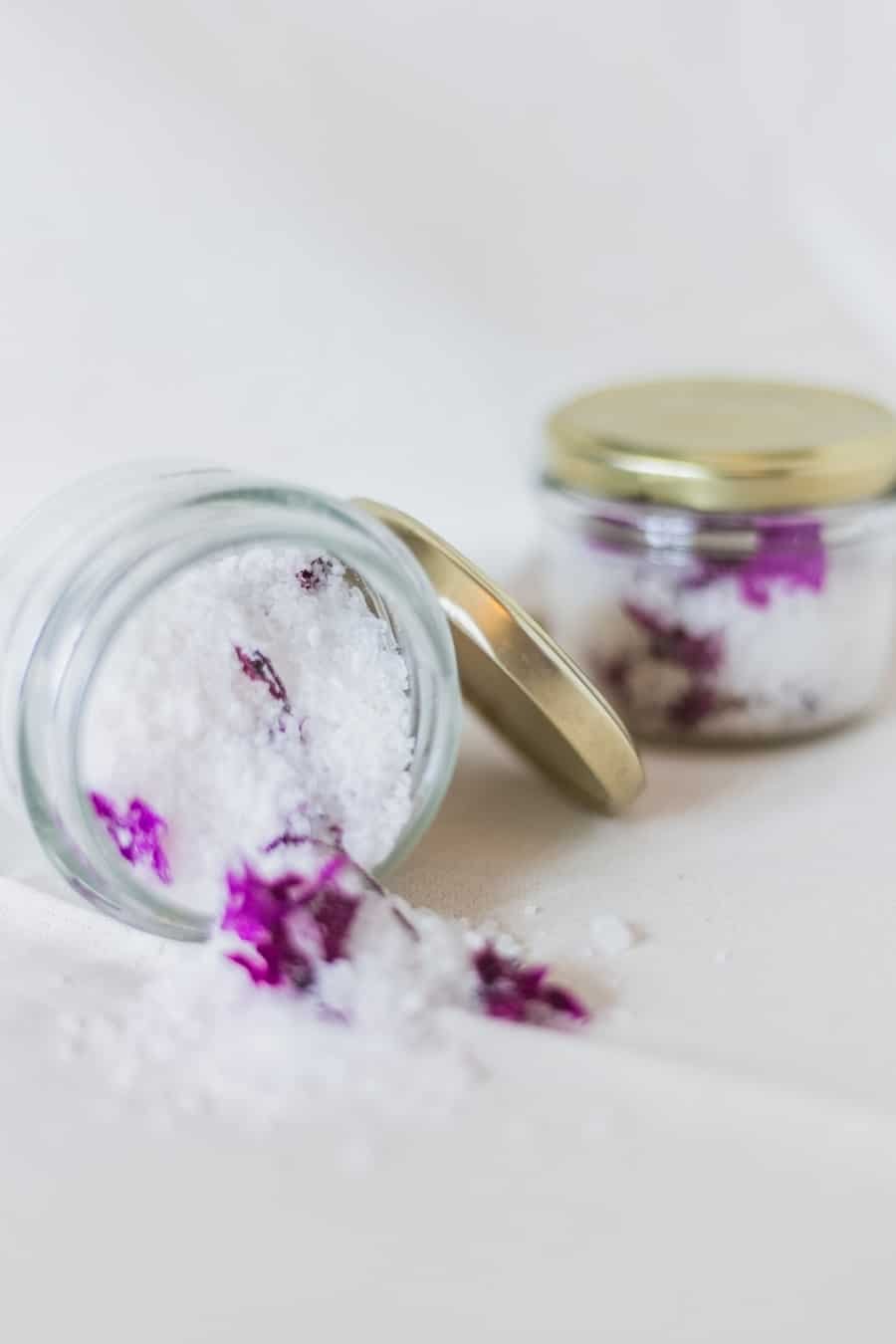
As you delve into the world of holistic beauty, it is vital to be aware of the potential for allergic reactions and sensitivities to natural ingredients. Many people experience allergies to common substances like nuts, fragrances, or certain plant extracts. You may find that even seemingly benign ingredients can trigger unexpected reactions, leading to redness, swelling, or discomfort.
It is essential to conduct patch tests before fully incorporating new products into your routine, allowing you to gauge how your skin responds without risking a full-blown reaction. Additionally, sensitivities can develop over time, meaning that an ingredient that was once well-tolerated may suddenly cause irritation. This unpredictability can be particularly challenging when using products with multiple natural components.
To mitigate these risks, consider keeping a detailed record of the products you use and any reactions you experience. This practice can help you identify patterns and avoid ingredients that do not agree with your skin, ultimately leading to a more harmonious beauty experience.
Contamination and Safety Concerns
Another critical aspect of using natural ingredients in your beauty routine is the potential for contamination and safety concerns. Unlike conventional beauty products that often undergo rigorous testing and quality control measures, many natural products lack the same level of oversight. You may unknowingly expose yourself to harmful bacteria or toxins if the sourcing and manufacturing processes are not carefully monitored.
This risk underscores the importance of choosing reputable brands that prioritize safety and transparency in their ingredient sourcing. Furthermore, the storage and handling of natural ingredients can significantly impact their safety and efficacy. For instance, oils can become rancid if not stored properly, leading to diminished effectiveness and potential skin irritation.
As you explore holistic beauty practices, it is essential to educate yourself about proper storage techniques and expiration dates for natural products. By taking these precautions, you can ensure that your beauty regimen remains both safe and effective.
Lack of Regulation and Quality Control
The lack of regulation surrounding natural beauty products poses another challenge for consumers like yourself. Unlike pharmaceuticals or even conventional cosmetics, which are subject to strict guidelines set by regulatory bodies, many natural beauty products fall into a gray area where oversight is minimal. This lack of regulation can lead to inconsistencies in product quality and efficacy.
You may find yourself purchasing a product that claims to be “100% natural” only to discover that it contains synthetic additives or fillers. To navigate this landscape effectively, it is crucial to do your research before purchasing any product. Look for brands that provide clear information about their sourcing practices, ingredient lists, and manufacturing processes.
Certifications from reputable organizations can also serve as indicators of quality and safety. By being an informed consumer, you can make choices that align with your holistic beauty goals while minimizing the risks associated with unregulated products.
Misinformation and False Claims

In the age of social media and influencer marketing, misinformation about natural beauty products is rampant. You may encounter countless claims about miracle ingredients or transformative results that are often exaggerated or entirely unfounded. This proliferation of false information can lead you down a rabbit hole of ineffective products and wasted resources.
It is essential to approach marketing claims with skepticism and seek out credible sources of information when researching new beauty trends. To combat misinformation, consider following reputable experts in the field of holistic beauty or consulting scientific literature on the efficacy of specific ingredients. Engaging with communities that prioritize evidence-based practices can also help you discern fact from fiction.
By arming yourself with knowledge, you can make informed decisions about which products truly align with your holistic beauty philosophy.
Interactions with Conventional Beauty Products
As you explore holistic beauty practices, it is essential to consider how natural ingredients may interact with conventional beauty products you already use. Many conventional cosmetics contain synthetic chemicals that could potentially react negatively with natural ingredients. For example, certain essential oils may alter the effectiveness of chemical sunscreens or other active ingredients in your skincare routine.
You might find that combining these two approaches requires careful consideration and experimentation. To minimize potential interactions, it is wise to introduce new products gradually into your routine. Start by using one new product at a time while monitoring how your skin responds over several days or weeks.
This method allows you to identify any adverse reactions or interactions without overwhelming your skin with multiple changes at once. By taking a thoughtful approach to blending holistic and conventional beauty practices, you can create a personalized regimen that works harmoniously for you.
Seeking Professional Guidance and Advice
Navigating the world of holistic beauty can be both exciting and overwhelming, making it essential for you to seek professional guidance when needed. Consulting with a dermatologist or licensed esthetician who understands both conventional and holistic approaches can provide valuable insights tailored to your unique skin type and concerns. These professionals can help you identify which natural ingredients are best suited for your needs while also considering any sensitivities or allergies you may have.
Additionally, engaging with holistic practitioners who specialize in integrative health can offer a broader perspective on how lifestyle factors impact your beauty regimen. They may provide recommendations on nutrition, stress management techniques, or other holistic practices that complement your skincare routine. By seeking professional advice, you empower yourself with knowledge and support that can enhance your journey toward achieving holistic beauty in a safe and effective manner.
In conclusion, embracing holistic beauty practices offers a unique opportunity for self-care that prioritizes both inner well-being and outer radiance. However, it is crucial to remain vigilant about potential risks associated with natural ingredients, including allergic reactions, contamination concerns, and misinformation. By educating yourself about these challenges and seeking professional guidance when necessary, you can navigate the world of holistic beauty with confidence and create a personalized routine that truly reflects your values and enhances your overall well-being.
FAQs
What are holistic beauty practices?
Holistic beauty practices involve using natural and organic products, as well as adopting a holistic approach to beauty that considers the mind, body, and spirit.
What are the potential risks associated with holistic beauty practices?
Some potential risks associated with holistic beauty practices include allergic reactions to natural ingredients, improper use of essential oils leading to skin irritation, and the lack of scientific evidence supporting the effectiveness of certain holistic beauty treatments.
How can individuals minimize the risks of holistic beauty practices?
To minimize the risks of holistic beauty practices, individuals should conduct patch tests before using new natural products, seek professional guidance when using essential oils, and research the scientific evidence behind holistic beauty treatments before trying them.
Are there any regulatory standards for holistic beauty products and practices?
Regulatory standards for holistic beauty products and practices vary by country. In some regions, there may be limited regulations governing the production and marketing of natural beauty products, so consumers should be cautious and do their own research.


