
When you think about natural skincare, honey often comes to mind as a versatile and effective ingredient. One of the most significant benefits of using honey as a face mask is its remarkable moisturizing properties. Honey is a humectant, which means it draws moisture from the environment into your skin.
This quality makes it an excellent choice for those with dry or dehydrated skin, as it helps to maintain hydration levels and leaves your complexion looking plump and radiant. Additionally, honey is rich in antioxidants, which can help combat free radicals and reduce the signs of aging. By incorporating honey into your skincare routine, you can promote a youthful glow while nourishing your skin.
Another compelling reason to use honey as a face mask is its natural antibacterial properties. Honey has been used for centuries for its healing abilities, particularly in treating wounds and skin infections. When applied to the face, honey can help reduce acne breakouts by inhibiting the growth of bacteria that contribute to inflammation and clogged pores.
Furthermore, its soothing qualities can calm irritated skin, making it suitable for those with sensitive or reactive skin types. By harnessing the power of honey, you can create a skincare regimen that not only enhances your appearance but also supports your skin’s health.
Key Takeaways
- Honey face masks can help moisturize, soothe, and brighten the skin
- To make a honey face mask, mix honey with other ingredients like yogurt, lemon, or oats
- Different types of honey, such as raw honey or manuka honey, have varying effects on the skin
- Precautions when using honey on the face include potential allergic reactions and the risk of bacterial contamination
- Apply and remove honey face masks gently and consider the specific needs of your skin type
How to Make a Honey Face Mask
Creating a honey face mask is a simple and enjoyable process that requires minimal ingredients and time. To start, all you need is pure, raw honey, which can be found at most grocery stores or health food shops. Begin by measuring out about one to two tablespoons of honey, depending on how much you want to use.
If you prefer a thicker consistency, you can leave the honey as is; however, if you want a more spreadable texture, consider warming it slightly in a microwave or by placing it in a bowl over hot water. This will make it easier to apply and ensure an even layer on your skin. Once your honey is ready, cleanse your face thoroughly to remove any dirt or makeup.
This step is crucial, as it allows the honey to penetrate your skin more effectively. After cleansing, apply the honey evenly across your face using clean fingers or a brush, avoiding the eye area. Allow the mask to sit for about 15 to 30 minutes, giving your skin ample time to absorb the beneficial properties of the honey.
After the designated time has passed, rinse off the mask with warm water and pat your face dry with a soft towel. You’ll likely notice an immediate improvement in your skin’s texture and hydration levels.
Different Types of Honey and Their Effects on the Skin
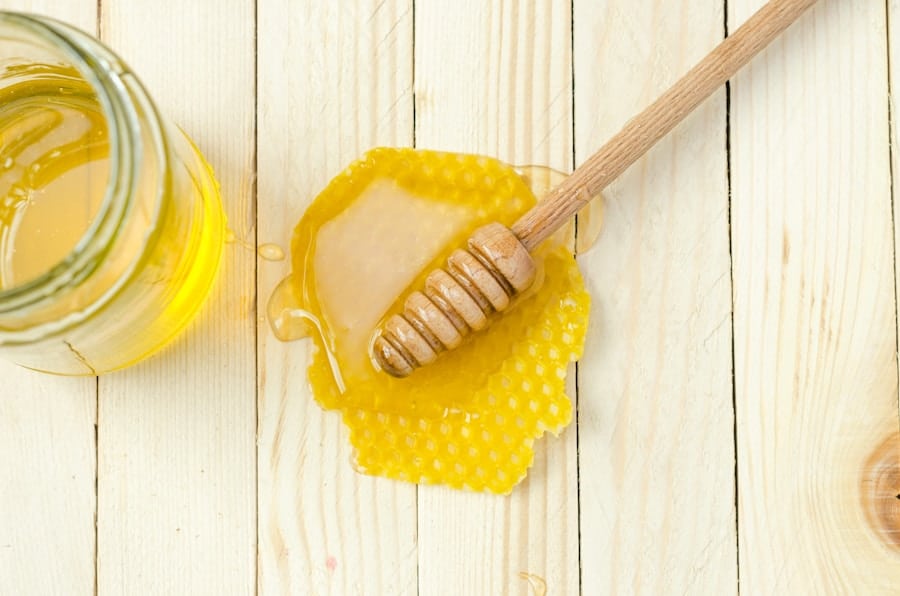
Not all honey is created equal; different types of honey offer unique benefits for your skin. For instance, Manuka honey, derived from the nectar of the Manuka tree in New Zealand, is renowned for its potent antibacterial properties. It contains methylglyoxal (MGO), which has been shown to effectively combat acne-causing bacteria.
If you’re struggling with breakouts or blemishes, incorporating Manuka honey into your face mask can provide targeted treatment while promoting healing. On the other hand, raw honey is another excellent option for skincare. Unlike processed honey, raw honey retains its natural enzymes and nutrients, making it a powerhouse for hydration and nourishment.
It’s particularly beneficial for those with dry or sensitive skin due to its soothing properties. Additionally, wildflower honey offers a variety of vitamins and minerals that can enhance overall skin health. By selecting the right type of honey for your specific skin concerns, you can maximize the benefits of your face mask and achieve optimal results.
Source: Healthline
Precautions and Potential Risks of Using Honey on the Face
While honey is generally safe for most people, there are some precautions you should take before applying it to your face. First and foremost, it’s essential to perform a patch test if you’re using honey for the first time or if you have sensitive skin. Apply a small amount of honey to a discreet area of your skin, such as your wrist or behind your ear, and wait 24 hours to see if any adverse reactions occur.
If you experience redness, itching, or irritation, it’s best to avoid using honey on your face. Additionally, individuals with allergies to pollen or bee products should exercise caution when using honey as a face mask. Allergic reactions can range from mild irritation to more severe symptoms, so it’s crucial to be aware of your sensitivities before incorporating honey into your skincare routine.
If you’re unsure about whether honey is suitable for you, consult with a dermatologist or skincare professional who can provide personalized advice based on your skin type and concerns.
Tips for Applying and Removing a Honey Face Mask
To get the most out of your honey face mask experience, there are several tips you can follow during application and removal. First, ensure that your hands are clean before touching your face or applying the mask. This will help prevent any bacteria from transferring onto your skin and causing breakouts.
When applying the mask, use gentle upward strokes to promote circulation and encourage lymphatic drainage. This technique not only enhances the effectiveness of the mask but also provides a mini facial massage that can further relax and rejuvenate your skin. When it comes time to remove the mask, avoid using harsh scrubs or abrasive materials that could irritate your skin.
Instead, use warm water and a soft washcloth to gently wipe away the honey. If you find that some residue remains on your skin after rinsing, consider following up with a gentle cleanser to ensure all traces are removed. After removing the mask, apply a light moisturizer to lock in hydration and keep your skin feeling soft and supple.
Honey Face Masks for Different Skin Types
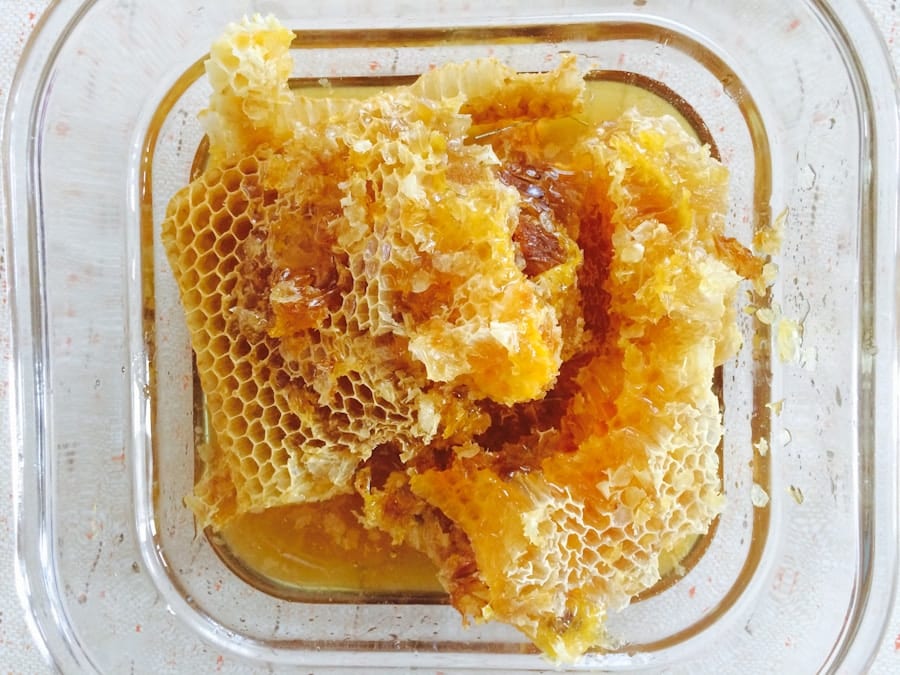
One of the great advantages of using honey in skincare is its versatility; it can be tailored to suit various skin types. For oily or acne-prone skin, consider mixing honey with lemon juice or tea tree oil for added antibacterial benefits. The acidity of lemon helps balance oil production while providing an extra layer of cleansing power against breakouts.
Alternatively, if you have dry or sensitive skin, combining honey with avocado or yogurt can create a nourishing mask that hydrates while soothing irritation. For combination skin types, you might want to experiment with a blend of honey and oatmeal. Oatmeal acts as a gentle exfoliant while also providing moisture, making it an ideal partner for honey in addressing multiple skin concerns simultaneously.
By customizing your honey face mask according to your specific skin type and needs, you can achieve optimal results and enjoy healthier-looking skin.
Combining Honey with Other Ingredients for Enhanced Benefits
To elevate the benefits of your honey face mask even further, consider combining it with other natural ingredients known for their skincare properties. For instance, adding aloe vera gel can enhance hydration while providing soothing relief for irritated skin. Aloe vera is well-known for its calming effects and can help reduce redness associated with acne or sunburns.
Another excellent addition is coconut oil, which offers deep moisturization and has antimicrobial properties that complement honey’s natural benefits. Mixing these two ingredients creates a luxurious mask that nourishes while protecting against environmental stressors. You might also explore adding essential oils like lavender or chamomile for their calming effects on both the mind and skin.
By experimenting with different combinations, you can create personalized masks that cater specifically to your skincare goals.
Incorporating Honey Face Masks into Your Skincare Routine
Integrating honey face masks into your skincare routine can be both enjoyable and beneficial for your complexion. Aim to use a honey mask once or twice a week for optimal results; this frequency allows your skin to absorb the nutrients without overwhelming it with too many products at once. Consider setting aside time during your self-care routine to indulge in this natural treatment—whether it’s during a relaxing bath or while unwinding after a long day.
As you incorporate honey masks into your regimen, pay attention to how your skin responds over time. You may notice improvements in texture, hydration levels, and overall radiance as you consistently use this natural ingredient. Remember that skincare is not just about immediate results; it’s about nurturing your skin in the long run.
By making honey face masks a regular part of your routine, you’re investing in healthier skin that reflects your inner glow. In conclusion, using honey as a face mask offers numerous benefits that cater to various skin types and concerns. From its moisturizing properties to its antibacterial effects, honey stands out as an exceptional natural ingredient in skincare.
By understanding how to create effective masks tailored to your needs and incorporating them into your routine thoughtfully, you can enjoy all the advantages this sweet substance has to offer while achieving beautiful, radiant skin.
FAQs
What are the benefits of using honey as a face mask?
Using honey as a face mask can help moisturize and soothe the skin, as well as provide antibacterial and antioxidant properties. It can also help with acne and aging skin.
Is honey suitable for all skin types?
Honey is generally suitable for all skin types, including sensitive skin. However, it’s always best to do a patch test before using it on your face to ensure you don’t have an allergic reaction.
How do you use honey as a face mask?
To use honey as a face mask, simply apply a thin layer of raw, organic honey to clean, damp skin. Leave it on for 15-20 minutes, then rinse off with warm water.
Are there any risks or side effects of using honey as a face mask?
While honey is generally safe to use on the skin, some people may be allergic to it. It’s also important to note that raw honey can contain bacteria that may be harmful to infants, so it should not be used on children under the age of one.
Can honey be used as a spot treatment for acne?
Yes, honey can be used as a spot treatment for acne due to its antibacterial properties. Simply apply a small amount of honey to the affected area and leave it on for 10-15 minutes before rinsing off.


