
As the winter months approach, you may notice a significant change in your skin’s texture and overall appearance. The cold air outside, combined with the dry heat indoors, can wreak havoc on your complexion. You might find that your skin feels tighter, drier, and even more sensitive than usual.
This is largely due to the drop in humidity levels, which can strip your skin of its natural moisture. The result? Flaky patches, redness, and an overall dullness that can leave you feeling less than your best.
Moreover, the harsh winter winds can exacerbate these issues, leading to chapped lips and windburned cheeks. You may also experience an increase in skin conditions such as eczema or psoriasis during this time. Understanding these effects is crucial for developing a skincare routine that can combat the challenges posed by winter weather.
By recognizing how the cold impacts your skin, you can take proactive steps to maintain its health and vitality throughout the season.
Key Takeaways
- Winter weather can lead to dry, itchy, and flaky skin due to low humidity and cold temperatures.
- Consider using a heavier moisturizer and incorporating hydrating ingredients like hyaluronic acid into your skincare routine during the colder months.
- Look for moisturizers with ingredients like ceramides, glycerin, and squalane to help lock in moisture and protect your skin from harsh winter conditions.
- Protect your skin from harsh weather conditions by wearing protective clothing, using a humidifier, and applying sunscreen to exposed areas.
- Stay hydrated and nourished from the inside out by drinking plenty of water, eating a balanced diet, and taking supplements like omega-3 fatty acids to support healthy skin. If you have sensitive or problematic skin, consider using gentle, fragrance-free products and avoiding harsh exfoliants and irritants.
Adjusting Your Skincare Routine for the Colder Months
Switch to a Cream-Based Cleanser
You might find that your usual products are no longer effective against the elements. Consider switching to a cream-based cleanser instead of a gel one, as cream cleansers are typically more hydrating and less likely to strip your skin of its natural oils.
Nourish Your Skin with Serums and Oils
Additionally, you may want to incorporate more nourishing serums and oils into your regimen. Look for ingredients like hyaluronic acid, glycerin, and natural oils such as jojoba or argan oil. These ingredients can help lock in moisture and create a protective barrier against the cold.
Moisturize at Night for Glowing Skin
You might also consider using a heavier moisturizer at night to allow your skin to absorb all the hydration it needs while you sleep. By making these adjustments, you can ensure that your skin remains healthy and glowing despite the winter chill.
Choosing the Right Moisturizer for Winter
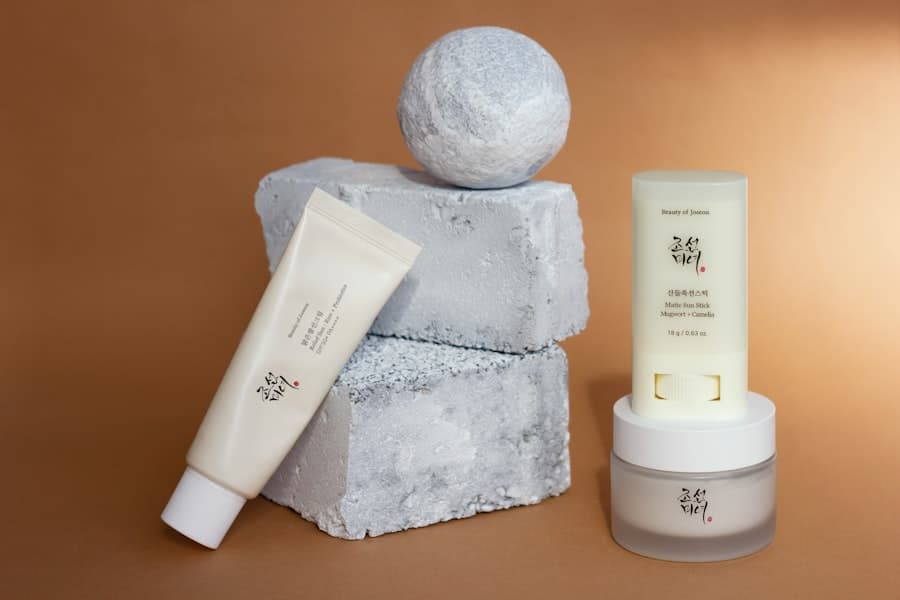
Selecting the right moisturizer is crucial during the winter months when your skin craves extra hydration. You may want to opt for a thicker, more emollient formula that provides a barrier against moisture loss. Look for products labeled as “rich” or “intensive,” as these are often designed specifically for dry skin types.
Ingredients like shea butter, ceramides, and squalane can be particularly beneficial in helping to restore your skin’s moisture balance. It’s also important to consider your skin type when choosing a moisturizer. If you have oily or combination skin, you might prefer a lightweight gel-cream that hydrates without feeling heavy.
On the other hand, if your skin is dry or sensitive, a richer cream will likely be more effective in providing the nourishment you need. Don’t hesitate to experiment with different formulations until you find one that feels just right for your skin during these colder months.
Protecting Your Skin from Harsh Weather Conditions
In addition to adjusting your skincare products, protecting your skin from harsh weather conditions is vital during winter. When heading outdoors, make it a habit to apply sunscreen, even on cloudy days. UV rays can still penetrate through clouds and cause damage to your skin.
A broad-spectrum sunscreen with at least SPF 30 should be part of your daily routine, regardless of the season. Moreover, consider wearing protective clothing such as scarves and hats to shield your face from biting winds and frigid temperatures. These accessories not only keep you warm but also provide an extra layer of defense against environmental stressors.
If you’re planning to spend extended periods outside, reapply sunscreen every two hours and be mindful of areas that are often neglected, like the ears and neck. By taking these precautions, you can help maintain your skin’s health and prevent winter-related damage.
Incorporating Hydration and Nourishment into Your Skincare
Hydration is key during winter months when your skin is prone to dryness and irritation. You might want to incorporate hydrating masks or treatments into your weekly routine to give your skin an extra boost of moisture. Look for masks that contain ingredients like aloe vera, honey, or avocado oil, which are known for their hydrating properties.
Applying these treatments once or twice a week can help replenish lost moisture and keep your skin looking plump and radiant. In addition to topical hydration, consider drinking plenty of water throughout the day. Staying hydrated from the inside out is just as important as applying products on the surface.
You might also want to include foods rich in omega-3 fatty acids, such as salmon or walnuts, in your diet. These foods can help support your skin’s barrier function and keep it nourished during the dry winter months. By combining both external and internal hydration strategies, you can achieve a healthy glow all season long.
Special Considerations for Sensitive or Problematic Skin

If you have sensitive or problematic skin, winter can pose unique challenges that require special attention. You may find that cold weather exacerbates conditions like rosacea or eczema, leading to increased redness and irritation. It’s essential to choose products specifically formulated for sensitive skin during this time.
Look for fragrance-free options with soothing ingredients like chamomile or calendula that can help calm inflammation. Additionally, be cautious about how often you exfoliate during winter months. While exfoliation is important for removing dead skin cells and promoting cell turnover, over-exfoliating can lead to further irritation and dryness.
You might want to limit exfoliation to once a week or opt for gentler exfoliants like chemical exfoliants containing lactic acid instead of harsher physical scrubs. By being mindful of your skincare choices, you can help manage sensitivity and keep your skin comfortable throughout the colder season.
Tips for Maintaining Healthy Skin from the Inside Out
Maintaining healthy skin goes beyond just topical treatments; it also involves taking care of your body from within. During winter, it’s easy to indulge in comfort foods that may not be the best for your skin health. Instead, focus on incorporating a balanced diet rich in fruits, vegetables, whole grains, and lean proteins.
Foods high in antioxidants can help combat oxidative stress caused by environmental factors. Moreover, don’t underestimate the power of regular exercise in promoting healthy skin. Physical activity increases blood circulation, which helps deliver essential nutrients to your skin cells while flushing out toxins.
Even if it’s cold outside, consider indoor workouts or bundled-up outdoor activities to keep moving during winter months. By prioritizing both nutrition and exercise, you’ll be supporting not only your skin but also your overall well-being.
Seeking Professional Help for Winter Skin Concerns
If you find that despite your best efforts, your skin continues to struggle during winter months, it may be time to seek professional help. A dermatologist can provide personalized advice tailored to your specific needs and concerns. They may recommend prescription-strength moisturizers or treatments that can effectively address issues like severe dryness or eczema flare-ups.
Additionally, professional treatments such as chemical peels or hydrating facials can offer significant benefits during winter when your skin may need extra care. These treatments can help rejuvenate your complexion and restore moisture levels more effectively than at-home products alone. Don’t hesitate to reach out for professional guidance; taking proactive steps now can lead to healthier skin in the long run.
By understanding how winter affects your skin and making necessary adjustments to your skincare routine, you can navigate this challenging season with confidence. With the right products and practices in place, you’ll be well on your way to maintaining healthy, radiant skin all winter long.
FAQs
What are the common skin issues during the winter months?
During the winter months, common skin issues include dryness, flakiness, redness, and irritation. The cold, dry air and indoor heating can strip the skin of its natural moisture, leading to these issues.
How can I prevent dry skin during the winter?
To prevent dry skin during the winter, it is important to use a gentle, hydrating cleanser, moisturize regularly with a thick, emollient cream, and use a humidifier to add moisture to the air indoors. Additionally, it is important to limit hot showers and to protect the skin from harsh winds and cold temperatures.
What skincare ingredients are beneficial for winter skin?
Skincare ingredients that are beneficial for winter skin include hyaluronic acid, glycerin, ceramides, and squalane, which help to hydrate and protect the skin. Additionally, ingredients like shea butter, coconut oil, and oatmeal can help to soothe and nourish dry, irritated skin.
How often should I exfoliate my skin during the winter?
During the winter, it is best to exfoliate the skin 1-2 times per week to remove dead skin cells and promote cell turnover. However, it is important to use a gentle exfoliant to avoid further irritating the skin.
Should I change my skincare routine during the winter?
It is recommended to adjust your skincare routine during the winter to include more hydrating and protective products. This may include using a richer moisturizer, incorporating a hydrating serum, and using a gentle, non-stripping cleanser. Additionally, it is important to use sunscreen even in the winter to protect the skin from UV rays.


