
Acne is a common skin condition that affects individuals of all ages, but it is particularly prevalent during adolescence. You may find that it manifests as pimples, blackheads, or cysts, often appearing on the face, back, and shoulders. The primary cause of acne is the overproduction of sebum, an oily substance produced by sebaceous glands in your skin.
When excess sebum combines with dead skin cells and bacteria, it can clog pores, leading to inflammation and the formation of acne lesions. Understanding this process is crucial for you to effectively manage and treat your acne. Several factors contribute to the development of acne beyond just excess oil production.
Hormonal fluctuations, particularly during puberty, menstruation, or pregnancy, can trigger increased sebum production. Stress is another significant factor; when you experience stress, your body releases hormones that can exacerbate acne. Additionally, certain medications, genetics, and even your skincare routine can play a role in the severity and frequency of breakouts.
By recognizing these underlying causes, you can take proactive steps to address them and improve your skin’s health.
Key Takeaways
- Acne is a common skin condition caused by clogged pores, bacteria, and hormonal changes
- Natural treatments for acne can be effective and have fewer side effects than conventional medications
- Natural ingredients like tea tree oil, aloe vera, and witch hazel can help treat acne without harsh chemicals
- Lifestyle changes such as regular exercise, stress management, and proper skincare can help clear acne
- A balanced diet with plenty of fruits, vegetables, and whole grains can help manage acne and promote healthy skin
The Benefits of Natural Treatments for Acne
Natural treatments for acne have gained popularity in recent years as more people seek alternatives to conventional medications. One of the primary benefits of using natural remedies is that they often come with fewer side effects compared to pharmaceutical options. You may find that many over-the-counter acne treatments contain harsh chemicals that can irritate your skin or lead to dryness.
In contrast, natural treatments tend to be gentler and can provide soothing effects while still being effective in combating acne. Another advantage of natural treatments is their accessibility. Many natural ingredients can be found in your kitchen or local grocery store, making them easy to incorporate into your skincare routine.
This not only allows you to save money but also gives you the opportunity to experiment with different remedies to find what works best for your skin type. Furthermore, natural treatments often promote overall skin health rather than just targeting acne. By using these remedies, you may also nourish your skin and improve its texture and appearance over time.
Natural Ingredients for Treating Acne
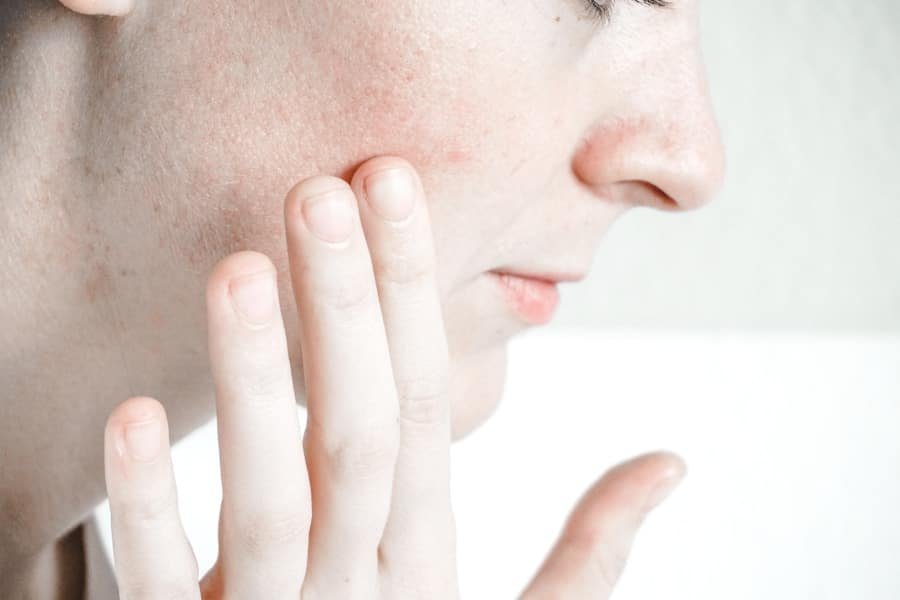
When it comes to natural ingredients for treating acne, there are several powerful options you can consider incorporating into your skincare regimen. Tea tree oil is one of the most well-known natural remedies due to its antibacterial properties. You can apply diluted tea tree oil directly to blemishes or mix it with a carrier oil for a more extensive treatment.
Its ability to reduce inflammation and kill acne-causing bacteria makes it a popular choice among those seeking natural solutions. Another effective ingredient is aloe vera, which is renowned for its soothing and healing properties. You might find that applying fresh aloe vera gel directly from the plant can help calm irritated skin and reduce redness associated with acne.
Additionally, honey is a natural humectant with antibacterial qualities that can help keep your skin hydrated while fighting off bacteria. You can create a simple honey mask by applying it directly to your face and leaving it on for about 20 minutes before rinsing off. These natural ingredients not only target acne but also promote healthier skin overall.
Lifestyle Changes to Help Clear Acne
In addition to using natural treatments, making certain lifestyle changes can significantly impact your skin’s health and help clear acne. One of the most important changes you can make is to establish a consistent skincare routine. This includes cleansing your face twice daily with a gentle cleanser to remove excess oil and impurities without stripping your skin of its natural moisture.
You may also want to incorporate exfoliation into your routine a few times a week to help remove dead skin cells that can clog pores. Another lifestyle change that can benefit your skin is managing stress levels. Engaging in activities such as yoga, meditation, or regular exercise can help reduce stress and its impact on your skin.
When you take time for self-care and relaxation, you may notice a decrease in breakouts associated with stress-induced hormonal fluctuations. Additionally, ensuring you get enough sleep each night is crucial for overall skin health; during sleep, your body repairs itself, including your skin.
The Role of Diet in Managing Acne
Your diet plays a significant role in managing acne, and making mindful food choices can lead to clearer skin. Foods high in refined sugars and unhealthy fats may contribute to inflammation in the body, which can exacerbate acne. You might consider reducing your intake of processed foods and sugary snacks while focusing on whole foods rich in nutrients.
Incorporating fruits, vegetables, whole grains, and lean proteins into your diet can provide essential vitamins and minerals that support healthy skin. Certain foods are particularly beneficial for acne-prone skin. For instance, foods rich in omega-3 fatty acids, such as salmon and walnuts, have anti-inflammatory properties that can help reduce redness and swelling associated with breakouts.
Additionally, foods high in antioxidants—like berries and leafy greens—can protect your skin from damage caused by free radicals. Staying hydrated by drinking plenty of water is also essential; proper hydration helps maintain skin elasticity and flushes out toxins that could contribute to acne.
Tips for Using Natural Treatments Safely and Effectively
Patch Testing: A Safety Precaution
When introducing new ingredients to your skincare routine, it’s crucial to perform a patch test to ensure you don’t experience any adverse reactions. Apply a small amount of the product to a specific area of skin and monitor for any signs of irritation or allergic reactions, such as redness or discomfort. If you notice any negative effects, avoid using that ingredient on your face.
Diluting Essential Oils for Safe Use
When using essential oils like tea tree oil or lavender oil, always dilute them with a carrier oil like coconut or jojoba oil before application. This helps prevent irritation and ensures the oils are suitable for your skin type.
Consistency and Patience are Key
Consistency is vital when using natural treatments for acne. Give your chosen remedy time to work before switching to another option. You may need several weeks to notice significant improvements in your skin’s condition.
Potential Drawbacks of Natural Acne Treatments
While natural treatments offer many benefits, there are potential drawbacks you should be aware of before fully committing to them. One significant concern is that not all natural remedies are suitable for every skin type; what works wonders for one person may not yield the same results for another. You might find that some ingredients cause irritation or breakouts instead of alleviating them, so it’s crucial to pay attention to how your skin responds.
Another drawback is that natural treatments may take longer to show results compared to conventional medications. If you’re dealing with severe acne or persistent breakouts, relying solely on natural remedies might not provide the quick relief you desire. In such cases, it may be beneficial to consult with a dermatologist who can recommend a comprehensive treatment plan tailored to your specific needs.
When to Seek Professional Help for Acne
While many individuals successfully manage their acne through natural treatments and lifestyle changes, there are times when seeking professional help becomes necessary. If you find that over-the-counter remedies and natural treatments are not providing relief after several weeks or months of consistent use, it may be time to consult a dermatologist. They can assess the severity of your condition and recommend appropriate treatments that may include prescription medications or specialized therapies.
Additionally, if you experience severe acne that leads to scarring or emotional distress, professional intervention is crucial. Acne can significantly impact self-esteem and mental health; therefore, addressing it promptly with the help of a professional can lead to better outcomes both physically and emotionally. Remember that seeking help is not a sign of failure but rather a proactive step toward achieving clearer skin and improved confidence in yourself.
FAQs
What are natural treatments for acne?
Natural treatments for acne include ingredients such as tea tree oil, aloe vera, green tea, and honey. These ingredients have anti-inflammatory and antibacterial properties that can help reduce acne symptoms.
Do natural treatments work for all types of acne?
Natural treatments may work for mild to moderate acne, but may not be as effective for severe acne. It’s important to consult with a dermatologist to determine the best treatment plan for your specific type of acne.
Are there any potential side effects of using natural treatments for acne?
While natural treatments are generally considered safe, some individuals may experience skin irritation or allergic reactions to certain ingredients. It’s important to do a patch test before using any new natural treatment and to discontinue use if any adverse reactions occur.
How long does it take to see results from natural treatments for acne?
The time it takes to see results from natural treatments for acne can vary depending on the individual and the severity of their acne. Some people may see improvement within a few weeks, while others may take longer to see noticeable results.
Can natural treatments completely get rid of acne?
For some individuals, natural treatments may be effective in completely getting rid of acne. However, it’s important to manage expectations and understand that results can vary from person to person. In some cases, a combination of natural treatments and medical interventions may be necessary for optimal results.