
Rosewater, a fragrant liquid derived from the distillation of rose petals, has been cherished for centuries for its myriad of uses in beauty and wellness. Its origins can be traced back to ancient civilizations, where it was revered not only for its delightful scent but also for its therapeutic properties. You may find rosewater in various forms, from culinary delights to skincare products, but its application in hair care is often overlooked.
As you delve into the world of rosewater, you will discover how this simple yet potent ingredient can transform your hair care routine. The allure of rosewater lies in its natural composition, which is rich in antioxidants and anti-inflammatory properties. These qualities make it an excellent choice for those seeking to enhance their hair’s health and appearance.
Whether you are battling dryness, frizz, or scalp issues, rosewater offers a gentle solution that can rejuvenate your locks. As you explore the benefits and applications of rosewater, you will likely find that it is not just a fleeting trend but a timeless remedy that can elevate your hair care regimen.
Key Takeaways
- Rosewater is a natural product made from rose petals and has been used for centuries for its beauty and health benefits.
- Using rosewater on hair can help to hydrate, condition, and strengthen the hair, as well as promote hair growth and reduce dandruff.
- To use rosewater as a hair rinse, mix it with water and pour it over clean, damp hair, then massage it into the scalp and hair before rinsing it out.
- There are different types of rosewater available, including pure rosewater, rosewater with glycerin, and rosewater with added essential oils, each offering unique benefits for hair.
- While rosewater is generally safe for hair, some people may experience allergic reactions or irritation, so it’s important to do a patch test before using it extensively.
- Alternatives to rosewater for hair rinse include apple cider vinegar, aloe vera juice, and green tea, which also offer various benefits for hair and scalp health.
- When using rosewater as a hair rinse, consider adding a few drops of essential oils for added benefits, and always use it in moderation to avoid any potential side effects.
- In conclusion, rosewater can be a good option for hair rinse due to its natural conditioning and nourishing properties, but it’s important to be mindful of any potential allergic reactions or irritation.
Benefits of Using Rosewater on Hair
Hair Hydration and Nourishment
One of the most significant advantages is its ability to hydrate and nourish your hair. If you struggle with dry or brittle strands, incorporating rosewater into your routine can provide the moisture your hair craves. The natural humectant properties of rosewater help to attract and retain moisture, leaving your hair feeling soft and supple. You may notice a remarkable difference in the texture of your hair after just a few applications.
Soothing Properties for Scalp Health
In addition to hydration, rosewater is known for its soothing properties, making it an excellent choice for those with sensitive scalps or dandruff issues. The anti-inflammatory effects of rosewater can help calm irritation and reduce redness, promoting a healthier scalp environment. As you use rosewater regularly, you may find that your scalp feels more balanced and less prone to flakiness.
Regulating Oil Production for Healthy Hair
Furthermore, the natural astringent qualities of rosewater can help regulate oil production, making it suitable for both dry and oily hair types.
How to Use Rosewater as a Hair Rinse
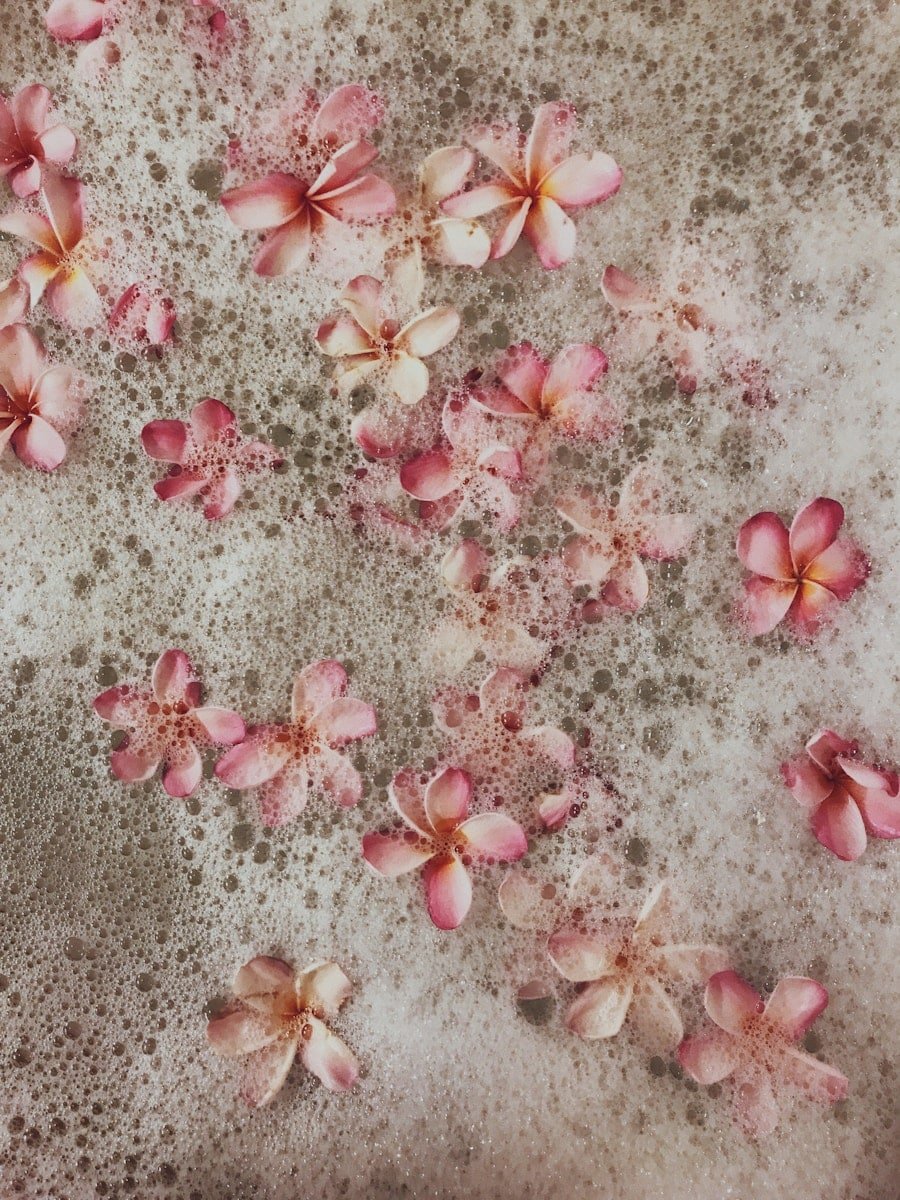
Using rosewater as a hair rinse is a straightforward process that can easily be integrated into your existing hair care routine. To begin, you will want to prepare a mixture of rosewater and water in a spray bottle or bowl. A common ratio is one part rosewater to two parts water, but you can adjust this based on your preferences and hair type.
Once your mixture is ready, you can apply it after shampooing your hair. Simply pour the rosewater rinse over your hair, ensuring that it saturates your strands and scalp. After applying the rinse, gently massage it into your scalp for a few minutes to allow the beneficial properties of the rosewater to penetrate.
You may choose to leave it in for a few minutes before rinsing it out with cool water for added shine and softness. Alternatively, if you prefer a leave-in treatment, you can skip the rinsing step altogether and allow your hair to air dry with the rosewater still in it. This method can provide ongoing hydration throughout the day, leaving your hair looking fresh and revitalized.
Types of Rosewater to Use
When selecting rosewater for your hair care routine, it’s essential to choose high-quality products that are free from additives and synthetic fragrances. Look for pure rosewater that is made from organic roses and distilled without any chemicals. You may come across various brands and formulations, so take the time to read labels and reviews to ensure you are getting a product that meets your standards.
In addition to pure rosewater, there are also infused versions available that combine rosewater with other beneficial ingredients such as aloe vera or essential oils. These blends can enhance the effects of rosewater and provide additional benefits for your hair. However, if you have sensitive skin or allergies, it’s best to stick with pure rosewater to avoid any potential reactions.
By choosing the right type of rosewater, you can maximize its benefits and enjoy healthier, more vibrant hair.
Potential Side Effects of Using Rosewater on Hair
While rosewater is generally considered safe for most people, it’s important to be aware of potential side effects that may arise from its use. Some individuals may experience allergic reactions or sensitivities to rosewater, particularly if they have a history of allergies to flowers or fragrances. If you are trying rosewater for the first time, it’s advisable to perform a patch test on a small area of skin before applying it to your scalp or hair.
Additionally, excessive use of rosewater may lead to an imbalance in your scalp’s natural oils. While it can help regulate oil production, overuse could potentially strip your scalp of necessary moisture or lead to buildup. To avoid these issues, it’s best to use rosewater in moderation and pay attention to how your hair and scalp respond.
By being mindful of these potential side effects, you can enjoy the benefits of rosewater while minimizing any risks.
Alternatives to Rosewater for Hair Rinse

If you’re curious about alternatives to rosewater for hair rinses, there are several other natural ingredients that can provide similar benefits. One popular option is chamomile tea, which is known for its soothing properties and ability to enhance blonde highlights. You can brew chamomile tea and use it as a rinse after shampooing for added shine and softness.
Another alternative is apple cider vinegar (ACV), which has gained popularity in recent years for its clarifying properties. Diluting ACV with water creates an effective rinse that can help remove product buildup while balancing the pH of your scalp. This option is particularly beneficial for those with oily hair or dandruff issues.
Additionally, herbal infusions such as nettle or hibiscus can offer nourishing benefits similar to those found in rosewater.
Tips for Using Rosewater as a Hair Rinse
To make the most out of your rosewater hair rinse experience, consider implementing a few helpful tips into your routine. First and foremost, consistency is key; using rosewater regularly will yield better results over time. Aim to incorporate it into your hair care regimen at least once a week for optimal hydration and nourishment.
Another tip is to customize your rosewater rinse based on your specific hair needs. For instance, if you’re looking for extra shine, consider adding a few drops of essential oils like lavender or rosemary to your mixture. These oils not only enhance the fragrance but also provide additional benefits for your hair and scalp health.
Lastly, always store your rosewater in a cool, dark place to preserve its potency and extend its shelf life.
Is Rosewater a Good Option for Hair Rinse?
In conclusion, incorporating rosewater into your hair care routine can be a delightful and beneficial choice. With its hydrating properties, soothing effects on the scalp, and ability to enhance overall hair health, rosewater stands out as a versatile ingredient that caters to various hair types and concerns. As you experiment with this fragrant elixir, you may find that it not only improves the condition of your hair but also adds a touch of luxury to your self-care rituals.
Ultimately, whether you choose to use rosewater as a rinse or explore other alternatives, the key is finding what works best for you and your unique hair needs. By embracing natural ingredients like rosewater, you are taking a step towards healthier hair while enjoying the sensory experience that comes with its enchanting aroma. So go ahead—give rosewater a try and discover the transformative effects it can have on your locks!
FAQs
What is rosewater?
Rosewater is a byproduct of the production of rose oil, which is made by distilling rose petals. It has been used for centuries in various cultures for its skincare and haircare benefits.
Can I use rosewater as a hair rinse?
Yes, rosewater can be used as a hair rinse to help condition and nourish the hair. It can also help to balance the pH of the scalp and hair, and may provide a subtle fragrance.
How do I use rosewater as a hair rinse?
After shampooing and conditioning your hair, you can pour rosewater over your hair and scalp, making sure to massage it in. You can then rinse it out with water or leave it in for added benefits.
What are the benefits of using rosewater as a hair rinse?
Rosewater can help to hydrate and moisturize the hair, as well as soothe the scalp. It may also help to reduce frizz and add shine to the hair.
Are there any potential drawbacks to using rosewater as a hair rinse?
While rosewater is generally safe to use, some people may be allergic to roses and could experience irritation or an allergic reaction. It’s always best to do a patch test before using rosewater on your hair.


